





What are the Raw Materials for Making Paper Cups?
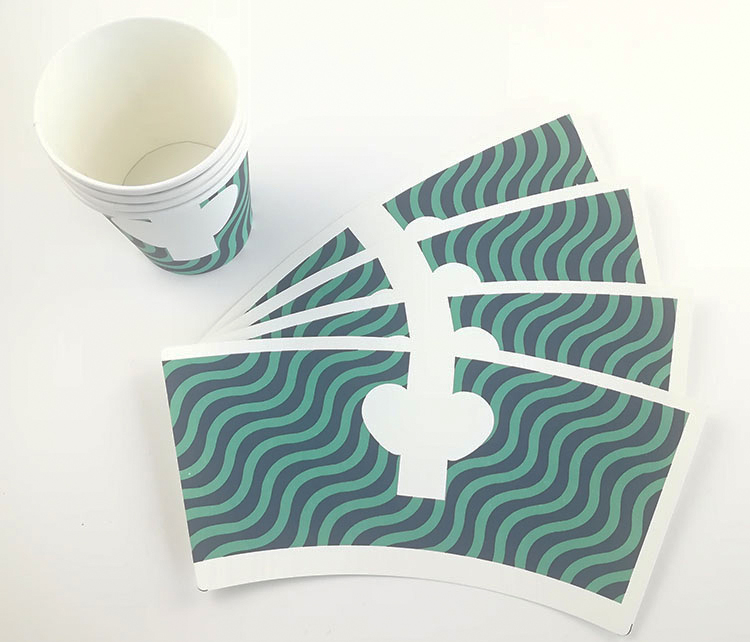
The raw materials used in Making Paper Cups are essential as they determine the quality, durability, functionality, and environmental impact of the cups. Below is an introduction to the main raw materials used in making paper cups and their detailed functions:
Pulp
Pulp is the core raw material in the production of paper cups. The paper used in paper cups is usually made from natural materials such as wood pulp, bamboo pulp, and sugarcane pulp. Depending on the intended use, the type and quality of pulp vary depending on its intended use:
Wood Pulp: This is made from wood (such as pine or eucalyptus) through chemical or mechanical processing. It has good strength and processability.
Bamboo Pulp: Bamboo fibers are longer and more flexible than broadleaf wood fibers, and bamboo pulp products have excellent qualities like natural antibacterial properties, high strength, water resistance, and strong absorbency. These characteristics make bamboo pulp paper cups more durable and environmentally friendly during use.

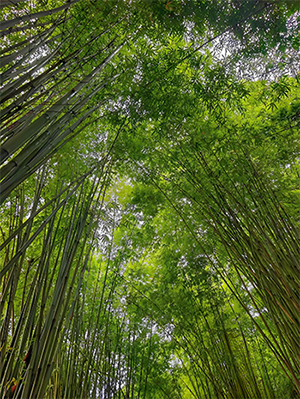
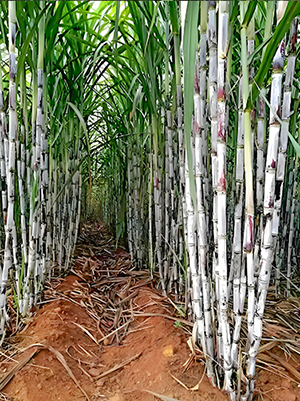
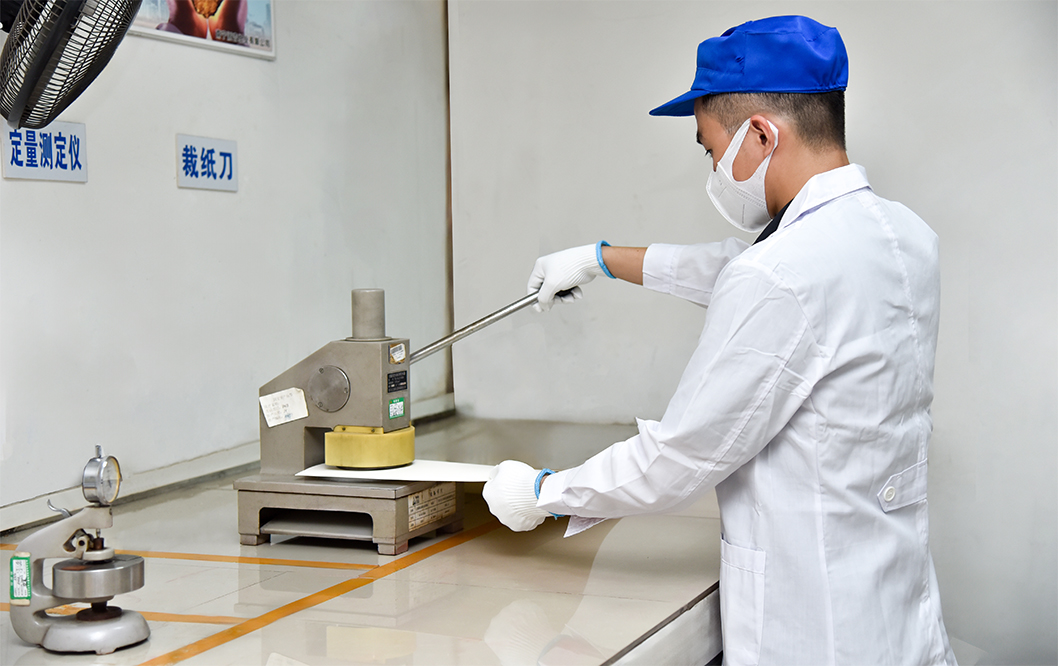
The main function of pulp is to provide strength and flexibility to the paper cup, allowing it to withstand the weight of liquids without breaking or deforming. Paperjoy’s paper suppliers include internationally renowned mills such as Stora Enso, Sunpaper, APP, Yibin Paper, and SYMBOL Paper. Each batch of paper is inspected by quality control personnel to ensure the whiteness, stiffness, grayness, thickness, and smoothness meetproduct technical standards. No recycled pulp is used, ensuring the quality is safe and reliable.
PE Coating (Polyethylene)
To ensure the paper cup can hold liquid without leaking, the inner and outer surfaces of the paper cup are usually coated with a thin layer of polyethylene (PE). The main functions of the PE coating are:
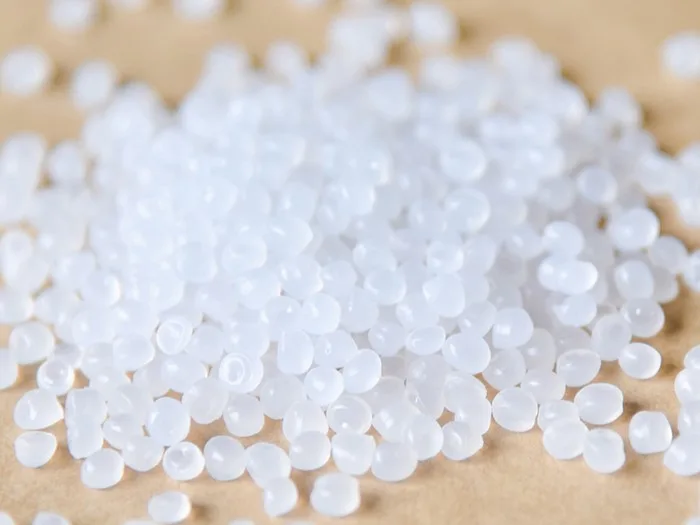
Waterproofing and Leak Prevention: The PE coating effectively prevents liquid from penetrating the exterior of the paper cup, ensuring that the liquid inside does not leak.
Strength Enhancement: The PE coating helps the paper cup maintain its shape and strength, even when exposed to moisture.
Heat Resistance: The PE coating increases the cup’s resistance to heat, preventing hot liquids (such as coffee or tea) from directly affecting the cup’s structure, which could cause it to soften or break.
The primary function of the PE coating is to prevent the paper cup from becoming soft due to moisture, ensuring its effectiveness during use, while also guaranteeing food hygiene and safety.
Ink
The patterns and text on paper cups are usually printed using ink. Since paper cups come into direct contact with food and beverages, the inks used must comply with food safety standards to avoid harmful substances migrating into the drink. The main characteristics of the ink are:
Food Safety: The ink used for paper cups must comply with national food safety standards, such as being non-toxic, harmless, and incapable of decomposing into harmful substances under high temperatures.
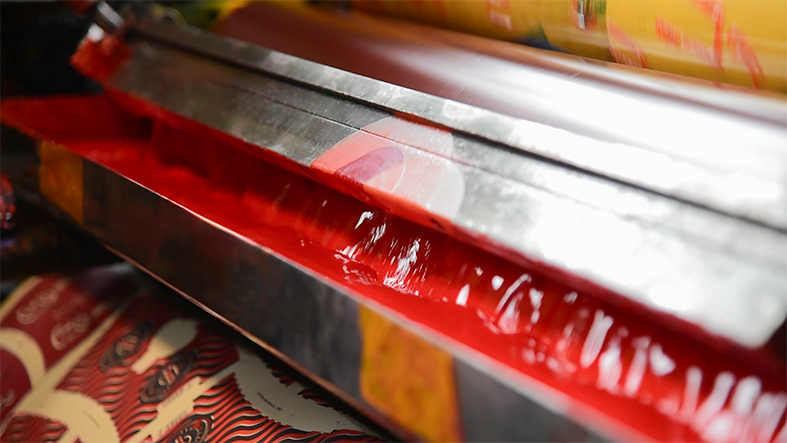
Environmental Friendliness: Modern manufacturing processes increasingly focus on environmental concerns, so the production and use of ink often involve water-based inks and other environmentally friendly materials.
The purpose of ink is to display brand logos, decorative patterns, or product information on the paper cup, enhancing the visual appeal and market competitiveness of the cup.
Outer Packaging Materials
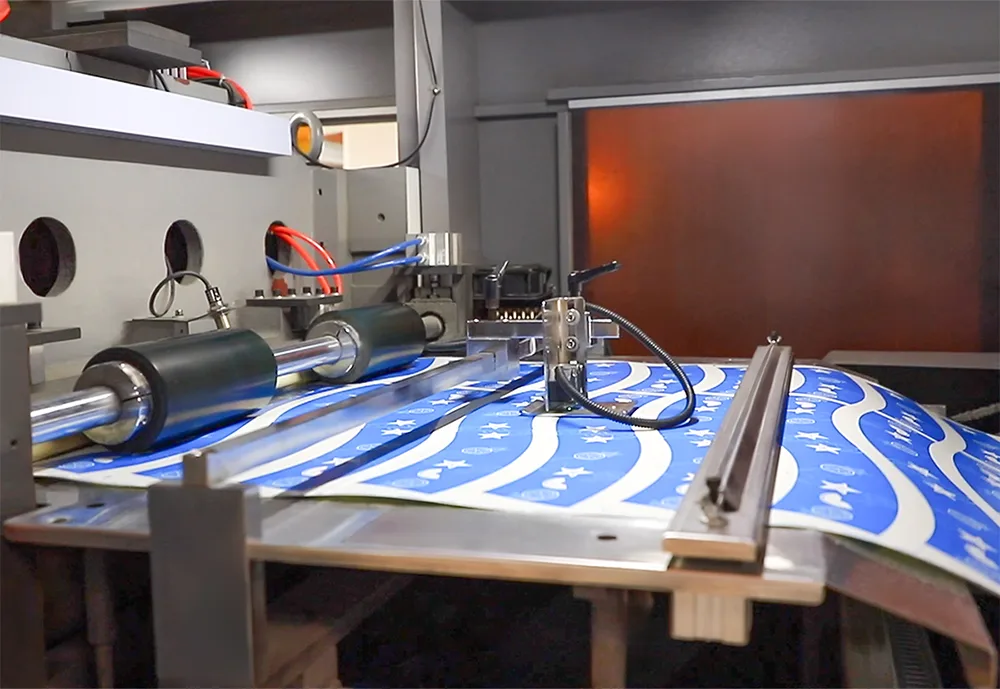
In addition to the raw materials used for the paper cup itself, outer packaging materials are also crucial. Common packaging materials include:
Cardboard Boxes: These are used for bulk transportation of paper cups and are usually made of corrugated paper or other types of paper-based packaging materials.
Woven Bags: Used for individual or small-batch packaging to keep the cups clean. Inside, there is often a PE inner lining to ensure waterproofing and moisture protection during transportation.
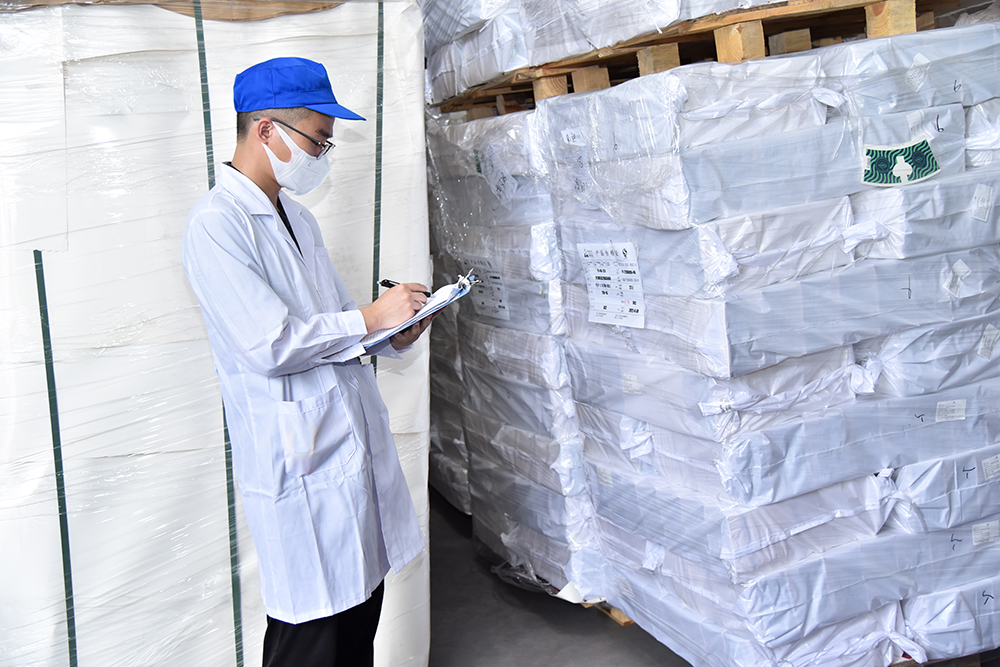
Paperjoy now offers new kraft paper cup fan-shaped pieces, which can be customized according to your needs, including PE coating thickness and up to six-color printing. We can provide a wide range of color patterns, and if you are interested, please contact us for a quote. We also offer free paper cup design and free samples. Feel free to get in touch with us!