
Leave Your Message
0%

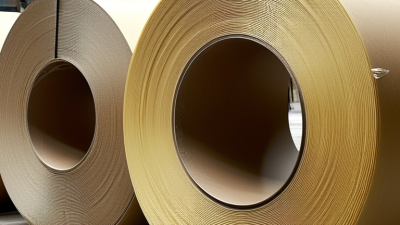
When it comes to packaging, quality really is a big deal. Food Grade PE Coated Paper Rolls have become pretty much a must-have across various food industries these days. Michael Roberts, a well-known expert in packaging materials, points out that “choosing the right coating can make a huge difference in how well food stays fresh.” That really shows just how important these paper rolls are for keeping food safe and fresh.

More and more buyers around the world are starting to pay attention to these materials. They’re on the lookout for trustworthy suppliers of Jumbo Rolls Food Grade Paper. The demand for paper that complies with food safety standards is definitely on the rise. Customers want to be sure that the products are free from any harmful chemicals. With regulations around food safety getting stricter all the time, sticking to good quality becomes even more crucial.

Of course, there are some challenges too. Sadly, some manufacturers might cut corners just to save a few bucks, which can lead to products that aren’t up to standard — and that’s risky for everyone’s health. That’s why understanding the specific materials and their specs is so important. And sharing that knowledge with buyers helps them make smarter, more confident decisions. Moving forward, it’s all about manufacturers and buyers working hand-in-hand to focus on safety and high quality when it comes to Food Grade PE Coated Paper Rolls.
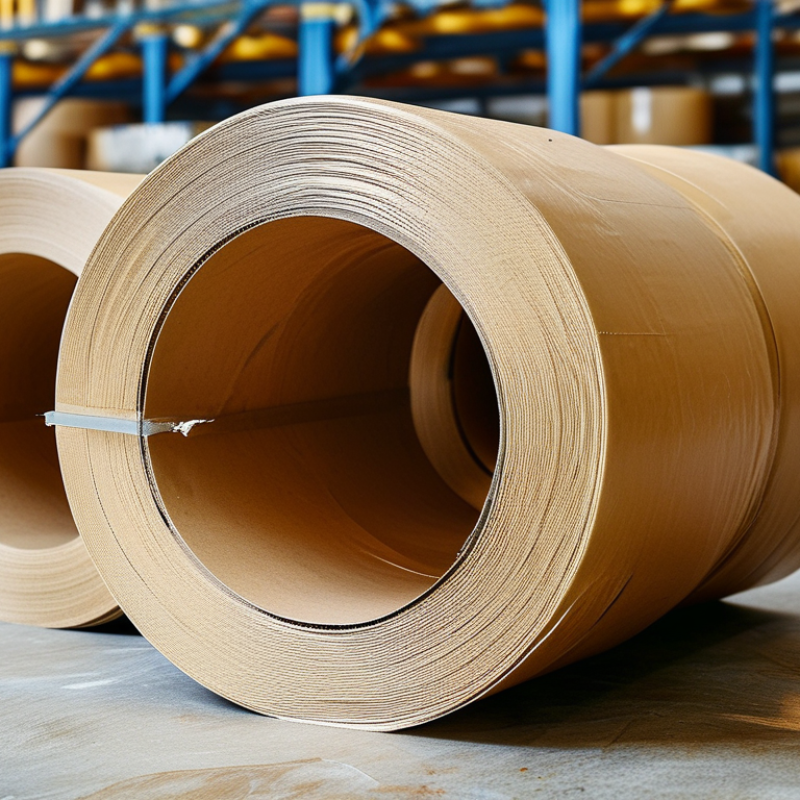
Top 10 Food Grade Pe Coated Paper Rolls for Global Buyers?

Understanding Food Grade PE Coated Paper: An Overview

Food grade PE coated paper is increasingly gaining recognition in packaging. This material features a polyethylene layer that provides moisture resistance. It protects the food from contamination and ensures freshness. According to recent market research, the global food packaging market is projected to reach $500 billion by 2025. This growth highlights the demand for safe and reliable packaging options, including food grade PE coated papers.

The functionality of food grade PE coated paper lies in its versatility. It is suitable for various food items, from dry snacks to frozen meals. Studies indicate that polyethylene can effectively prevent grease and moisture. This barrier function is essential for maintaining the quality of food products. However, the challenge remains in ensuring the sustainability of these materials. The industry faces criticism for plastic waste. Companies are exploring biodegradable alternatives, but the transition is slow.

Current data shows that a significant portion of food waste occurs due to poor packaging. Improved packaging solutions, such as food grade PE coated paper, can mitigate this issue. However, standards and certifications must be adhered to, ensuring safety. Continuous research is necessary to enhance both performance and environmental impact. The journey toward better food packaging is ongoing, and there is room for improvement in practices and options.

Top 10 Food Grade PE Coated Paper Rolls – Usage Statistics

Key Properties and Benefits of Food Grade PE Coated Paper

Food grade PE coated paper has gained prominence in food packaging due to its significant properties and benefits. This type of paper offers excellent moisture resistance, making it ideal for fresh produce, baked goods, and other perishable items. According to a report by the Global Packaging Association, approximately 65% of consumers prioritize packaging that maintains food freshness. PE coating enhances the barrier properties of paper, ensuring that food remains uncontaminated and retains its flavor.

Biodegradability is an essential aspect of food packaging today. With increasing concern for the environment, many buyers are seeking sustainable options. Studies reveal that food grade PE coated paper is generally more eco-friendly than plastic. Its potential for recycling also supports a circular economy. However, some challenges remain, such as the recycling infrastructure in various regions which can limit the effectiveness of this material.

Jumbo Paper Rolls Food Grade provide substantial savings in material costs. Bulk purchasing lowers prices and supports efficient production lines. On the flip side, large quantities can lead to overstocking issues. Buyers must balance their orders with demand forecasts. In the end, making informed choices can significantly benefit both sustainability efforts and the bottom line.

Market Demand Trends for PE Coated Paper Rolls Globally

In recent years, the demand for PE coated paper rolls has steadily increased. This trend reflects growing consumer preferences for sustainable and eco-friendly packaging solutions. As more industries seek compliant materials, the production of Paper Jumbo Rolls Food Grade is becoming essential. Companies are adapting to meet the rising expectations for quality and safety.

Investors and suppliers must navigate various challenges. Some production facilities still struggle with the transition to eco-friendly methods. This inconsistency can affect the overall market dynamics. Proper knowledge about material sourcing and processing techniques can mitigate these issues. Additionally, tracking market trends is vital for long-term success.

Consumer awareness plays a significant role in this market. An increasing number of buyers are choosing food-grade materials for their packaging needs. They prioritize safety and environmental impact. However, some still prefer traditional methods, which could lead to conflicts in supply chains. Balancing these preferences will be critical as the market evolves. The right partnerships can drive innovation and improve product offerings in this competitive landscape.

Top 10 Food Grade PE Coated Paper Rolls for Global Buyers

Rank Specification Application Market Demand Region
1 100 GSM, PE Coated Food Packaging High North America
2 120 GSM, PE Coated Bakery Products Medium Europe
3 90 GSM, PE Coated Fast Food Packaging High Asia
4 110 GSM, PE Coated Take-out Containers High South America
5 80 GSM, PE Coated Sandwich Wraps Medium Middle East
6 100 GSM, PE Coated Ice Cream Packaging High North America
7 120 GSM, PE Coated Gourmet Foods Medium Europe
8 150 GSM, PE Coated Deli Products High Asia
9 95 GSM, PE Coated Salad Packaging Medium South America
10 105 GSM, PE Coated Snack Food Packaging High Middle East

Top 10 Manufacturers of Food Grade PE Coated Paper Rolls

When exploring the market for food-grade PE coated paper rolls, several manufacturers stand out. Their commitment to quality and sustainability sets them apart. They focus on high standards for food safety and environmental impact. Many of these companies offer a range of products, including the versatile 235gsm Jumbo Rolls Food Grade. This product type is excellent for various applications, from packaging to disposable tableware.

It is interesting to note that while many manufacturers claim to follow strict guidelines, not all live up to the expectations. Some might overlook important details like coating uniformity or raw material sources. Consumers should remain vigilant and conduct thorough research. Engaging with suppliers often reveals much about their processes and accountability. Transparency is crucial; it builds trust and ensures quality.

Some manufacturers excel in innovation, pushing the boundaries of what food-grade paper can achieve. Their advancements may include enhanced barrier properties, which are vital for preserving food freshness. However, a few players may lag behind, struggling with outdated equipment or practices. The choice of a manufacturer can greatly affect product performance, so scrutiny is essential.

Analyzing the Sustainability of PE Coated Paper in Food Packaging

The sustainability of PE coated paper in food packaging is a critical topic. Many companies are shifting towards eco-friendly materials. PE coated paper serves as a barrier against moisture and grease. This makes it an excellent choice for food packaging. The paper remains recyclable, but the coating complicates the recycling process.

Environmental assessments indicate mixed results. The production of PE coated paper involves petrochemical processes. These can lead to carbon emissions and energy consumption. However, advancements in technology are improving production methods. New materials are emerging that require less energy. Research continues into biodegradable coatings as an alternative.

Consumers are becoming more discerning about packaging. They prefer sustainable options that do not harm the environment. While PE coated paper offers benefits, its sustainability must be evaluated critically. Not every product labeled as “eco-friendly” meets the desired standards. Transparency in sourcing materials is necessary to build trust among consumers.

Regulatory Standards Impacting Food Grade PE Coated Paper Usage

Regulatory standards play a vital role in the usage of food grade PE coated paper. These standards ensure that materials used in food packaging are safe and reliable. Different regions have unique regulations that manufacturers must follow. This can complicate the market landscape for global buyers. It’s important to understand these regulations to avoid compliance issues.

Food Paper Rolls Oil Proof are particularly scrutinized. They need to meet stringent safety criteria. Many regulatory bodies evaluate the materials used in production. This includes PE coatings. A failure to comply can result in penalties. Not all manufacturers are aware of regional standards. This knowledge gap can lead to significant risks.

Emerging trends show that sustainability is gaining attention. Buyers are increasingly looking for eco-friendly options. Recyclability is becoming a key selling point. However, this shift raises questions about performance. Does a more sustainable product compromise effectiveness? It’s an area worth exploring, as manufacturers strive to balance functionality with responsibility.

Comparative Cost Analysis of PE Coated Paper Rolls in Different Regions

PE coated paper rolls are essential in the food packaging industry. They provide moisture resistance and durability, making them ideal for food products. However, the cost of these paper rolls varies significantly across regions. For instance, a recent industry report from Smithers reveals that North American prices average around $2,500 per ton, while European costs sit at approximately $2,800 per ton. This discrepancy can be attributed to raw material sourcing and manufacturing expenses.

In Asia, specifically Southeast Asia, prices are often lower, around $1,800 per ton. This stems from less stringent regulations and lower labor costs. Yet, the quality might differ. A study by the Paper And Paperboard Packaging Environmental Council indicates that some cheaper options lack the necessary certifications for food safety. Consumers must remain vigilant about quality, especially when exploring cost-effective options.

Understanding these price variations is crucial for global buyers. It shapes purchasing decisions and impacts profit margins. With the growing demand for sustainable packaging, the need for reliable suppliers is clearer than ever. Keeping an eye on regional trends can offer insights into future price shifts. Engaging with a range of manufacturers can also uncover quality discrepancies, influencing the final choice.

Market Insights: The Demand Surge for High Reputation 150gsm Paper Cups and FBB/C1S Ivory Board Paper in Packaging Industry

The packaging industry is experiencing a remarkable shift in demand, particularly for high-reputation 150gsm paper cups and FBB/C1S ivory board paper. According to recent market analysis, the consumption of paper products in the food and beverage sector has surged, with a projected CAGR of over 5% in the coming years. This growth is largely attributed to the increased preference for eco-friendly and sustainable packaging solutions that minimize environmental impact. The 150gsm paper cups, known for their durability and excellent printability, are becoming a preferred choice among businesses looking for reliable packaging options that also enhance brand visibility.

Furthermore, the demand for FBB/C1S ivory board paper is on the rise, driven by its superior quality and versatility in packaging applications. Data from the Paper and Packaging Industry Association indicates that the adoption of premium board grades is increasing, as companies aim to improve their packaging aesthetics while balancing functionality. With enhanced capabilities for various printing techniques and finishes, FBB/C1S ivory board paper supports brands in creating impactful packaging that stands out on shelves.

As consumer preferences continue to evolve toward sustainable practices, the shift towards high-quality paper materials like 150gsm paper cups and FBB/C1S ivory board reflects broader trends in the packaging market, where brands are not only focusing on the quality of materials but also on the environmental implications associated with their choices. The continued focus on these materials indicates a robust future for sustainable packaging solutions in tandem with market demands.
FAQS

: What are the key benefits of food grade PE coated paper?

: It offers excellent moisture resistance, making it ideal for fresh and perishable items.

How does PE coating affect food packaging?

PE coating enhances barrier properties, keeping food uncontaminated and preserving its flavor.

Is food grade PE coated paper eco-friendly?

Yes, it is generally more sustainable than plastic and can be recycled.

What challenges exist with recycling PE coated paper?

Recycling infrastructure is limited in some areas, which can affect the material’s effectiveness.

Why do buyers prioritize sustainable packaging?

Many consumers now favor options that maintain food freshness and minimize environmental impact.

How does bulk buying of paper rolls benefit companies?

It can reduce costs significantly but risks lead to overstocking if demand isn’t accurately forecasted.

What impact do regulatory standards have on food packaging?

They ensure safety and reliability in materials but can create complications in compliance.

Why is consumer awareness important in the PE coated paper market?

Increased awareness influences buying choices, impacting supply chains and product safety.

Can sustainability compromise product effectiveness?

This is a question worth exploring as manufacturers strive to balance functionality with eco-friendliness.

What should manufacturers understand to succeed in this market?

They must be aware of regional regulations and evolving consumer preferences for quality and sustainability.

Conclusion

This article provides a comprehensive overview of Food Grade PE Coated Paper Rolls, emphasizing their key properties and benefits that make them ideal for food packaging. It discusses the rising global market demand for these rolls, driven by a greater emphasis on food safety and convenience. Additionally, the article highlights the importance of sustainability in food packaging materials, analyzing the environmental impact of PE coated paper and its alignment with regulatory standards.

Furthermore, it presents a comparative cost analysis of Food Grade PE Coated Paper Rolls across different regions, offering insights into economic factors influencing their adoption. By identifying the top manufacturers in the industry, the article serves as a valuable resource for global buyers seeking quality and compliance in food-safe packaging solutions.

Liam

Liam

Liam is a dedicated marketing professional at Nanning Paperjoy Paper Industry Co., Ltd., where he brings a wealth of expertise in the paper production sector. With a keen understanding of the industry and a passion for sharing knowledge, Liam frequently updates the company’s professional blog,……
Previous How to Choose the Best Food Grade Coated Paper Rolls?

Send Your Inquiry

✓ Thank you! We will reply you via email within 24 hours.