

2026 Top Paper Cup Material Types for Global Buyers
Table of Contents
- What Paper Cup Materials Are and Why They Matter in 2026
- How PE-Coated Paper Cups Support Everyday Foodservice Use
- When PLA and Other Bio-Based Linings Are the Better Choice
- How Recyclable Barrier Coatings Change Cup Material Selection
- Which Materials Fit Hot Drinks, Cold Drinks, and Frozen Products
- How Global Buyers Should Compare Cost, Safety, and Sustainability
- Where Paper Cup Materials Are Heading in the Global Market
- Food-Grade PE-Coated Paper Rolls: A Reliable Material for Disposable Paper Cup Manufacturing
- FAQS
- Conclusion
- Related Posts
Honestly, the paper cup market in 2026 is getting pretty demanding. Global buyers aren’t just picking on a single factor anymore — they’re looking at the whole package: performance, safety, sustainability, and whether you can actually supply reliably, all at once.
So, it looks like Smithers is reporting some solid growth in the fiber-based foodservice packaging sector, and a lot of that is being driven by takeaway drinks and institutional catering. Then you’ve got Grand View Research also saying that demand for paper-based disposable products is on the rise, especially in places like Asia-Pacific and Europe. All of this kind of points to the fact that we should really be taking a closer look at the Paper Cup Material options before we make any procurement decisions.
You know, picking the right material for a cup isn’t just about aesthetics—it really messes with everything else. I mean, it affects how strong the cup is, how well it handles heat, how crisp the printing looks, and even what happens when it’s finally tossed out. And honestly, a hot coffee cup is a whole different beast from one meant for iced soda. The rim needs to stay firm, right? And that inner coating? It’s gotta keep leaks in check, but we can’t make it so fancy that recycling becomes a total headache.
First off, there are a few key variables you really want to keep an eye on: virgin fiber quality, basis weight, moisture control, and whether they’re using polyethylene or water-based coatings. And don’t forget about certified sourcing. On the buyer side, you should ask for food-contact declarations, migration test results, batch records, and details on their quality-control procedures at the factory. Now, FSC and PEFC certification can help with traceability, but don’t assume that just because they have a certificate, the product is automatically suitable for everything. Certification alone isn’t a guarantee.
Honestly, when you look at packaging supply chains, you’d think companies like Intertek and SGS have it all covered—they’re the go-to names for testing and inspection. They run all the technical checks you can imagine: verifying odors, migration, compression strength, coating performance—the whole nine yards. But here’s the thing: just because a lab report looks great doesn’t mean everything will hold up when your goods are bouncing around in a truck for days or sitting in a humid warehouse for weeks. That’s a pretty big deal, right? And it’s something a lot of folks tend to overlook until it’s too late.
Okay, so this guide dives into the main types of paper cup materials for buyers around the world. It also looks at the whole deal withPaper Cup Material and Food Grade Paper Raw Material – but from the angles that actually matter: purchasing, compliance, and production. And to be honest, when you start digging, you’ll find that some of the claims floating around in the market just don’t line up across different reports. Honestly, you can’t just take a supplier’s word for it. You’ve got to check the specs yourself. I mean, sure, they might have slick marketing, but that doesn’t mean the product actually does what they say. The real deal? It starts with getting clear samples, testing them repeatedly, and being brutally honest about what goes wrong. That’s the only way to make sure you’re sourcing something reliable.
What Paper Cup Materials Are and Why They Matter in 2026
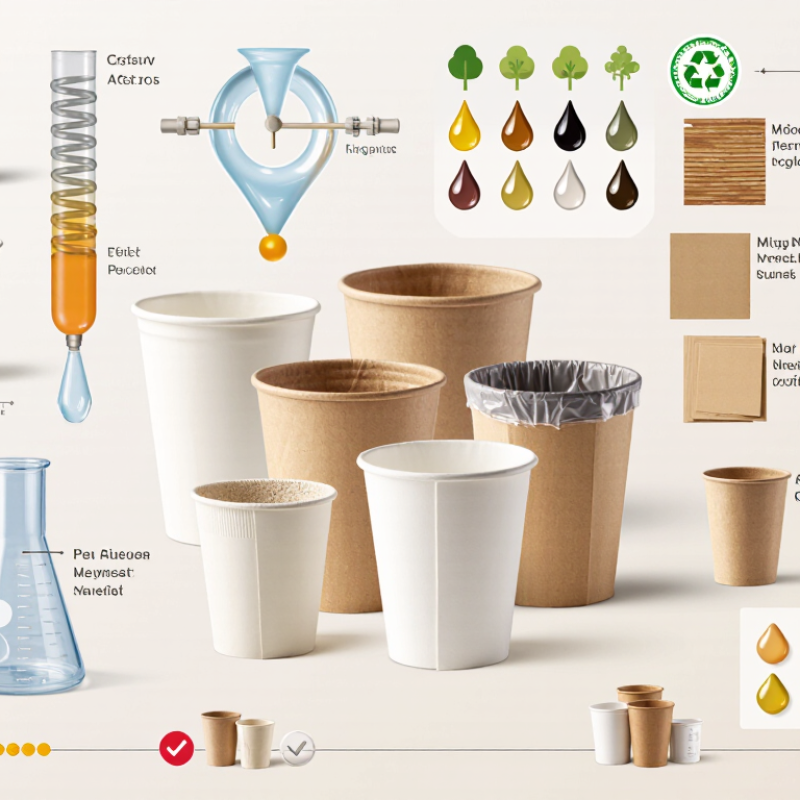
Paper cup materials are engineered layers, not simply “paper.” In 2026, buyers usually compare virgin fiber board, recycled fiber board, water-based barrier board, and polymer-coated board. Each choice affects leakage, stiffness, heat resistance, recycling, and cost. A 12-ounce hot cup may need a stronger inner barrier than a cold drink cup with condensation.
Smithers’ 2024 packaging analysis projects continued growth in fiber-based packaging, driven by foodservice demand and material-reduction goals. Meanwhile, the FAO’s 2024 forest-products data places global paper and paperboard production above 400 million tonnes annually.
These figures show the scale of the fiber system, but they do not prove that every paper cup is sustainable. That assumption needs testing.
Material performance is more specific. Virgin fiber generally offers cleaner appearance and reliable strength. Recycled fiber can reduce dependence on new pulp, yet it may require tighter quality control.
Water-based coatings can improve repulping potential, but local mills must actually accept them. A 2025 market assessment by Mordor Intelligence estimates steady paper cup market growth through 2030, increasing pressure for practical alternatives rather than attractive claims.
Buyers should request basis weight, coating composition, barrier test results, food-contact compliance, and recycling guidance. Small details matter. I have seen specifications look responsible while omitting the end-of-life route. That gap deserves more attention.
How PE-Coated Paper Cups Support Everyday Foodservice Use
PE-coated paper cups remain practical for everyday foodservice because they balance strength, moisture resistance, and production efficiency. A thin polyethylene layer helps prevent hot coffee, iced drinks, and sauces from soaking through the paperboard. This matters during busy breakfast service, where cups may sit on counters for several minutes before collection.
Good material selection starts with paperboard quality. Buyers should check food-contact documentation, basis weight, coating uniformity, and odor control. Pinholes or uneven sealing can cause leaks around the bottom joint. A careful supplier should also provide migration test results and production samples. Feel the rim. Inspect the base.
In real use, cup performance depends on more than the coating. Storage humidity, transport pressure, and forming accuracy can change the result. Cups exposed to damp warehouses may lose stiffness before filling. This is easy to overlook. The material is not perfect.
Buyers comparing China Paper Cup Material and Food Grade Paper Cup Paper price should assess the full specification, not only the quoted unit cost. A lower price may reflect lighter board, thinner coating, or weaker inspection standards. For hot beverages, heat resistance and comfortable hand feel deserve practical testing. For cold drinks, condensation resistance and stacking strength are equally important. Recycling options also vary by region because PE-coated paper usually requires suitable separation and processing facilities.
When PLA and Other Bio-Based Linings Are the Better Choice
For global paper cup buyers in 2026, lining selection is becoming a performance decision, not only an environmental statement. PLA, made from renewable plant resources, can suit cold drinks, milk tea, juice, and many short-service applications. It provides a smooth inner surface and supports reliable heat sealing when processed correctly. However, PLA is not automatically compostable everywhere. Local facilities, collection systems, and certification requirements must be checked before making that claim.
Bio-based PE and water-based barrier coatings offer other practical options. Their performance depends on coating weight, paper absorption, forming pressure, and storage humidity. Buyers should request migration data, food-contact documents, and test reports for the intended beverage temperature. A cup that survives ten minutes may fail after forty-five minutes. Small details matter.
Ask suppliers to test rim sealing, bottom leakage, stacking strength, and odor after hot filling. Include the phrase China Waterproof Paper Cup Raw Material and Waterproof Paper for Cup Bottom in sourcing discussions when searching for related materials. It may improve communication, but it is not a quality guarantee. Trial orders remain necessary. I have found that laboratory results can look excellent while a production batch shows uneven coating. That gap deserves honest review. PLA may be the better choice for suitable applications, yet climate, disposal access, and actual use conditions should guide the final decision.
2026 Top Paper Cup Material Types for Global Buyers – When PLA and Other Bio-Based Linings Are the Better Choice
| Cup Material / Lining | Typical Coating or Board Specification | Suitable Beverage Temperature | Key Functional Strengths | End-of-Life Route | Best Choice When | Important Procurement Checks |
|---|---|---|---|---|---|---|
| PE-Lined Paper Cup | Paperboard commonly around 180–350 g/m²; polyethylene coating commonly around 10–20 g/m² per coated side. | Cold drinks and hot beverages, typically up to approximately 90–95°C, subject to cup construction and testing. | Strong moisture barrier, reliable heat sealing, good resistance to oils and water, and mature high-volume production technology. | Usually requires specialized fiber recovery or separation; ordinary paper recycling acceptance varies by market. | The priority is dependable performance, broad manufacturing availability, and competitive unit cost. | Leakage testing, sealing strength, local recycling acceptance, food-contact compliance, and total coating weight. |
| PLA-Lined Paper Cup | Paperboard commonly around 180–350 g/m²; PLA coating is often approximately 10–20 g/m², depending on barrier requirements. | Cold beverages and selected warm applications; standard PLA can soften at elevated temperatures, so hot-fill performance must be validated. | Bio-based polymer option, good moisture resistance, heat-sealable, and suitable for applications seeking reduced fossil-based plastic content. | Industrial composting may be possible only when the complete cup is certified and accepted by the relevant facility; recycling compatibility varies. | A buyer needs a bio-based lining and has access to verified industrial composting or a suitable local recovery system. | PLA content verification, applicable compostability certification, maximum service temperature, migration testing, and disposal labeling. |
| Water-Based Dispersion-Coated Paper Cup | Coating weight commonly around 8–15 g/m², with the exact level determined by the formulation and required barrier performance. | Cold and hot beverages within the tested operating range; performance differs substantially among coating formulations. | Can support fiber recovery, uses a thin coating layer, and may reduce the amount of conventional polymer used in the cup. | Potentially compatible with paper recycling where local mills accept the coating and the cup meets their specifications. | Paper recyclability and lower coating weight are more important than universal compostability claims. | Repulpability test results, wet-strength behavior, grease resistance, curl control, heat-seal performance, and mill acceptance. |
| PHA-Lined Paper Cup | PHA coating weight is application-specific and generally requires custom validation for coating uniformity, sealing, and barrier performance. | Cold and selected warm applications, subject to the specific PHA grade and finished-cup test results. | Bio-based and biodegradable polymer family with potential for moisture and grease resistance. | End-of-life behavior depends on the exact PHA formulation, certification, industrial composting conditions, and local collection system. | The project requires an emerging bio-based material and can support extended qualification and supply-chain validation. | Third-party biodegradation or compostability data, food-contact approval, supply capacity, shelf life, and production consistency. |
| Uncoated or Mineral-Coated Paperboard | Barrier level depends on board design; uncoated board has no polymer lining, while mineral or inorganic barrier systems vary by formulation. | Generally more suitable for dry products or short-contact applications unless the coating is specifically engineered for hot liquids. | High paper content and potentially easier fiber recovery; lower barrier performance than polymer-lined structures in many applications. | Often compatible with paper recycling when free from unsuitable additives and accepted by the local mill. | The product has limited liquid exposure and prioritizes fiber recovery over maximum liquid resistance. | Liquid hold time, edge-wicking resistance, wet strength, odor and taste neutrality, and recyclability test results. |
| Aluminum-Foil-Laminated Paper | Paper combined with a thin aluminum layer and, in many structures, an additional polymer sealing layer. | Suitable for applications requiring strong protection from light, oxygen, moisture, or aroma transfer; temperature depends on the complete laminate. | Excellent barrier against light and gases, but generally less suitable for conventional paper recycling because of its multi-material construction. | Usually requires specialized multilayer recovery; landfill or energy recovery may be the practical route where no dedicated system exists. | Maximum shelf-life and barrier protection are more important than simple recyclability. | Layer structure, pinhole resistance, seal integrity, migration compliance, recyclability, and disposal requirements. |
How Recyclable Barrier Coatings Change Cup Material Selection
In 2026, global buyers are comparing more than paper weight and price. The barrier coating now influences cup recyclability, performance, and market acceptance. Traditional plastic-lined paper cups resist leaks well, but their bonded layers can complicate fiber recovery. Recyclable barrier coatings aim to separate more easily during pulping. Their performance still depends on coating thickness, fiber quality, and recycling mill settings.
Water-based dispersion coatings are gaining attention for cold drinks, takeaway coffee, and food-service applications. They can provide moisture resistance without creating a thick plastic film. However, “recyclable” is not automatically universal. A coating accepted by one mill may reduce fiber yield in another. Buyers should request repulpability data, migration tests, heat-sealing results, and certification records before changing specifications.
Real testing matters. Fill cups with hot coffee, leave them for thirty minutes, then inspect the rim, base, and sidewall. For cold beverages, check condensation after refrigeration. Small failures become expensive complaints. A thinner coating may improve recycling but weaken durability during transport. A heavier coating may protect the cup while challenging local recovery systems. This trade-off deserves honest review, not optimistic wording. Regional collection systems also change the decision. A technically recyclable cup may still reach landfill where commercial fiber recovery is limited.
Which Materials Fit Hot Drinks, Cold Drinks, and Frozen Products
2026 Top Paper Cup Material Types for Global Buyers
Choosing cup material depends on temperature, moisture, filling speed, and disposal conditions. Hot drinks need paperboard that resists heat, softening, and liquid migration. A single-wall cup may suit short serving times. Double-wall construction feels safer in the hand and reduces the need for an extra sleeve.
For hot coffee, coated paperboard with a reliable barrier layer is widely used. The coating may use polyethylene, water-based dispersion, or compostable polymer systems. Each option needs practical testing. Check seam strength, rim curling, odor, and food-contact compliance. Coffee can expose weak barriers quickly. Condensation changes the decision for cold drinks. Cold beverages need moisture resistance on the outside, especially during long service. Paperboard with strong surface treatment helps prevent soggy walls and slipping. Lids and straw openings also deserve attention.
Frozen desserts need stiffness, leak resistance, and tolerance for low temperatures. Grease resistance matters when the product contains cream, chocolate, or sauces. A Coffee Paper Cup Fan and Paper Cup Raw Material should be assessed together, not purchased as separate details. The fan controls forming quality, while the raw material affects sealing and rigidity. No material wins every test. A cup can pass laboratory checks and fail during transport. I would test filled samples through refrigeration, stacking, handling, and timed storage. Regional recycling systems also vary, so environmental claims should remain specific and verifiable.
2026 Top Paper Cup Material Types for Global Buyers
Which materials fit hot drinks, cold drinks, and frozen products?
Comparative application-fit scores range from 1 to 5, based on typical heat resistance, moisture resistance, leak protection, and suitability for frozen contents. PE-coated paper is a versatile option for hot and cold beverages, PLA-coated paper is better suited to cold and frozen applications, and water-based barrier coatings can support hot, cold, and frozen products when the coating specification is designed for the intended use.
How Global Buyers Should Compare Cost, Safety, and Sustainability
2026 Top Paper Cup Material Types for Global Buyers
Global buyers should compare paper cup materials through cost, safety, and sustainability together. PE-coated paper remains widely used because it seals reliably and supports efficient production. However, plastic coating can complicate recycling in areas without suitable facilities. PLA-coated paper may support compostable packaging goals, but it needs controlled industrial composting. Water-based barrier coatings can reduce plastic content, though performance varies with hot liquids, storage, and sealing pressure.
Safety must come before attractive environmental claims. Ask suppliers for food-contact declarations, migration test results, coating specifications, and traceable fiber documentation. Requirements differ between destination markets. Recycled fiber may lower environmental impact, but food-contact applications require careful sourcing and contamination controls. Do not rely on a material name alone. The finished cup matters more.
Tips: Compare delivered cost, not only factory price. Include tooling, minimum order quantities, freight, testing, and waste handling. Request samples filled with hot coffee for several hours. Check leakage, odor, rim softness, and printing stability. Ask whether local facilities can process the chosen coating. A “compostable” claim means little without access to the right collection system. Also, question unusually low prices. They may reflect thinner paper, weaker barriers, or missing documentation. No material wins every test. That is the part many purchasing teams overlook.
Where Paper Cup Materials Are Heading in the Global Market
Global buyers are quietly changing how they evaluate paper cup materials. Grand View Research valued the global paper cups market at USD 12.4 billion in 2023. It also projects a 3.6% compound annual growth rate through 2030. That growth is not only about volume. Material choice now signals supply risk, recycling expectations, and product performance.
Paper Cup Fan and Hot Coffee Paper Cup Raw Material buyers are comparing fiber stiffness, coating strength, and end-of-life options. Smithers’ 2024 packaging analysis identifies recyclable barrier technologies as active innovation areas. Water-based dispersion coatings can support repulpability, but mills need practical testing. PLA coatings remain useful in selected applications. Industrial composting access is still uneven. Infrastructure matters more than fashionable specifications.
Mordor Intelligence forecasts continued growth in the paper cup market, supported by takeaway beverages and foodservice demand. However, forecasts cannot replace factory evidence. Buyers should request migration testing, heat resistance results, seal integrity data, and repulping trials. They should also audit fiber origin and coating consistency across production batches. Small failures matter. A weak rim can soften during a long commute. A poor barrier can leave a dark coffee ring on a desk. The direction is promising, but not perfectly linear. Costs still bite. Some “greener” materials may perform worse when local recovery systems are limited.
Food-Grade PE-Coated Paper Rolls: A Reliable Material for Disposable Paper Cup Manufacturing
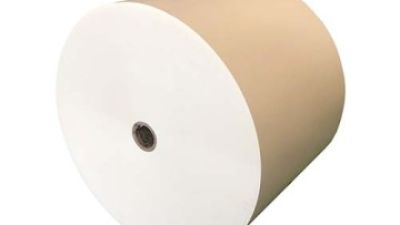
Food-grade PE-coated paper rolls are a dependable material for manufacturing disposable paper cups. The polyethylene coating helps improve moisture resistance, prevent leakage, and maintain the cup’s structural strength when it holds hot or cold beverages. At the same time, the paper base supports smooth printing, die-cutting, and forming, making it suitable for a wide range of cup designs and applications.
A professional manufacturer with 17 years of experience can provide PE-coated paper, pre-cut paper cup fans, and paper cup bottom rolls for efficient production. Materials can be supplied in different paper weights, coating specifications, roll widths, and sizes according to equipment requirements and cup designs. Careful quality control helps ensure consistent coating adhesion, stable processing performance, and a clean appearance for finished cups.
With long-term cooperation with manufacturers and buyers in various markets, experienced suppliers can offer competitive pricing and responsive customized services. Whether you need raw paper rolls for high-speed production or ready-to-use cup components, selecting a reliable supplier can help improve manufacturing efficiency, reduce material waste, and support consistent product quality.
FAQS
Most cups use engineered fiber layers, not paper alone. Common options include virgin fiber, recycled fiber, and coated boards.
Virgin fiber usually provides consistent stiffness, strength, and appearance. It can support hot drinks during a long commute. New fiber use still deserves scrutiny.
Recycled fiber reduces dependence on new pulp. Quality can vary between batches, so suppliers need tighter inspections and testing.
The coating helps prevent leaks and protects the cup wall. A twelve-ounce hot drink needs stronger protection than a cold drink.
Not always. Water-based coatings may improve repulping, but local mills must accept and process them. Infrastructure matters more than attractive wording.
Polymer and dispersion coatings can change recovery performance. Buyers should request repulping trials and written recycling guidance. Claims can be incomplete.
Ask for heat resistance, seal integrity, barrier performance, and food-contact compliance results. Fiber origin and coating consistency also need review.
A weak rim may soften during travel. A poor barrier can leave a dark coffee ring on a desk. Small failures matter.
No. Some alternatives may perform worse where recovery systems are limited. Cost, performance, and local processing should be considered together.
Compare stiffness, leakage resistance, heat tolerance, coating composition, and end-of-life options. Do not rely on sustainability claims alone. Examine the missing details.
Conclusion
In 2026, choosing the right Paper Cup Material will be essential for foodservice businesses and global buyers seeking a balance of performance, safety, cost, and environmental responsibility. PE-coated paper remains a practical option for everyday hot and cold beverages because it provides reliable moisture resistance, strength, and production efficiency. However, PLA and other bio-based linings may be more suitable for buyers prioritizing renewable inputs and specific sustainability goals. Recyclable barrier coatings are also changing how cups are evaluated by improving recovery potential while maintaining functional performance.
Material selection should match the intended application. Hot drinks require heat resistance and structural stability, while cold beverages and frozen products need effective barriers against condensation, moisture, and temperature changes. Buyers should compare total cost, food-contact safety, supply consistency, disposal systems, and sustainability claims rather than focusing on one factor alone. Looking ahead, the market is likely to favor lighter designs, improved recyclable coatings, clearer material labeling, and solutions that combine dependable performance with more responsible resource use.
Related Posts
-
2026 Best High-Quality Wholesale Paper Cup Raw Material Selection Guide?
-
How to Choose the Best Paper for Paper Cups in 2026?
-
Top Uncoated Cupstock Paper Manufacturers Worldwide?
-
2025 Trends in Kraft Paper Packaging: Sustainability and Innovation Insights
-
Why Is Paper Tea Cup Raw Material Price Rising?
-
Unlocking Success: How to Find Top-notch Suppliers for Best Kraft Packaging Solutions

Blog Tags:


