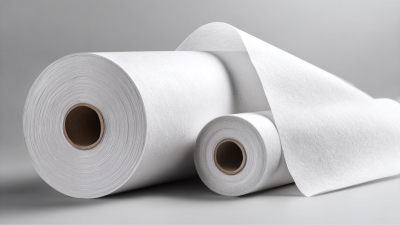
Paper tea cup raw material prices? Yeah, they’ve become a pretty big deal for manufacturers, retailers, and food-service buyers alike. And honestly, it’s not down to just one thing. Pulp costs, energy bills, freight rates, coating materials, currency swings—they can all play a part in the final quote. Even a small shift in cupstock price can end up showing on every carton that leaves a factory.
So, Dr. Martin A. Hubbe—who’s pretty well known in paper-materials research—puts it like this: “Paper Performance depends on both fiber quality and the way fibers are processed.” That idea goes a long way toward explaining why cheaper paper isn’t always the practical choice. I mean, cup producers still need board that’s strong, compliant for food contact, and able to hold up against leaks, heat, and softening. Companies like Stora Enso and Metsä Board have kept at it, developing renewable and recyclable paperboard grades. But — and this is the tricky part — if you want better performance, production costs can go up.
So, the market for tea cup raw materials reacts to supply uncertainty too. Severe weather can mess with forests, mills might schedule maintenance downtime, and shipping delays can push inventory costs up. Then there’s recycled fiber. It helps with circularity, sure—but its availability and quality aren’t always consistent. That tension is worth paying attention to.
And honestly? Prices rarely move in a straight line.
If you’re sourcing paper tea cup raw material, my advice is: don’t stop at one supplier quote. Compare several. Look at basis weight, coating type, moisture resistance, delivery distance, contract terms—all of it. A low unit price can be tempting, but it may hide extra waste or slower forming speeds. And even that isn’t the full story. Local purchasing practices, exchange rates, and short-term mill decisions can move the result pretty quickly. So when you’re trying to figure out the real Paper Tea Cup Raw Material Price, careful data collection still matters a lot.
What Raw Materials Are Used to Make Paper Tea Cups?
Why Is Paper Tea Cup Raw Material Price Rising?
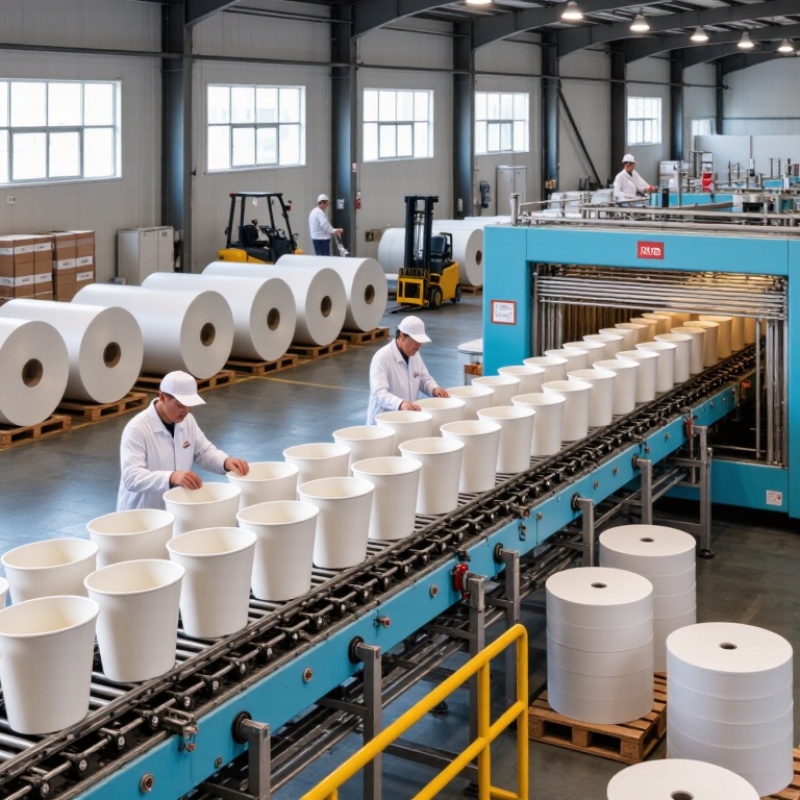
Paper tea cups mainly use food-grade paperboard, usually made from wood pulp. The board gives the cup its shape, stiffness, and smooth printing surface. FAO forestry data shows global Paper And Paperboard production exceeds 400 million tonnes annually, yet demand remains uneven across regions. Supply disruptions can still affect pulp costs quickly.
A thin plastic or bio-based coating protects the board from hot tea and moisture. Polyethylene remains common, while some producers use polylactic acid. Cup production also requires water-based inks, adhesives, and packaging film. CEPI reported European paper and board production at about 79.5 million tonnes in 2023, a sharp annual decline. Lower output can raise unit costs when energy, transport, and pulp prices remain high.
In factory purchasing, coating weight matters. A heavier layer may improve leakage resistance, but it increases material use. That trade-off is often overlooked. Raw material price changes also depend on moisture, fiber quality, recycled content, and exchange rates. Not every price increase comes from pulp alone.
Tips: Ask suppliers for the paperboard grade, basis weight, coating type, and pulp origin. Compare delivered cost, not only the quoted price. Request recent test data for leakage, heat resistance, and compression strength. Small specification changes can reduce waste, although they may weaken cup performance if testing is rushed.
How Pulp and Paper Production Costs Affect Cup Prices
Why Is Paper Tea Cup Raw Material Price Rising?
A paper tea cup carries more than a simple material cost. Its price begins with wood fiber, pulping, chemicals, energy, water, and transport. The Food and Agriculture Organization reported about 401 million tonnes of global paper and paperboard production in 2022. Such a huge system reacts quickly to small supply changes. A mill shutdown, drought, or higher electricity bill can affect cup-grade paper within weeks.
Pulp and paper production costs strongly influence cup prices. CEPI’s Key Statistics 2023 recorded approximately 35.6 million tonnes of pulp and 79.5 million tonnes of paper and board production in Europe. These figures show the scale of energy-intensive manufacturing behind each cup. The World Bank Commodity Price Data also shows that wood-pulp benchmarks can change sharply during one year. Not every increase reaches buyers immediately. Converters may absorb part of it, but only temporarily.
After paper production, coating, printing, die-cutting, and freight add more pressure. A Hot Tea Paper Cup Fan must resist heat, remain rigid, and fit high-speed forming equipment. Those requirements can increase coating and quality-control expenses. A 10% pulp increase will not always create a 10% cup increase. The result depends on inventory, waste rates, order volume, and transport distance. Some cost estimates remain imperfect. Local mill data can lag behind real purchasing conditions.
Why Energy, Labor, and Transportation Costs Are Increasing
Why Is Paper Tea Cup Raw Material Price Rising?
Energy, labor, and transportation costs now shape every Paper Tea Cup Fan quotation. Paperboard production needs heat, steam, electricity, and water treatment. When energy prices rise, mills pay more for pulping, drying, coating, and factory maintenance. The World Bank’s Commodity Markets Outlook, published in October 2024, forecast lower energy prices for 2025. However, regional electricity contracts can remain expensive. A global average does not match every factory.
Labor costs add another layer. Workers operate forming machines, inspect coatings, and manage food-contact quality checks. The International Labour Organization’s Global Wage Report 2024–25 recorded 1.8% global real wage growth in 2023. That increase may seem modest, but it affects every production shift. UNCTAD’s Review of Maritime Transport 2024 also described longer shipping routes and disruption-related pressure. Drewry’s World Container Index exceeded 5,000 dollars per 40-foot container during parts of 2024. Costs can change before a purchase order is completed. That is the frustrating part.
Tips: Ask suppliers for separate material, energy, labor, and freight quotations. Compare delivery terms, not only unit prices. Confirm the paperboard grade and coating thickness. A thinner cup may reduce cost, but it can lose stiffness beside hot tea. Keep a two-to-three-month purchasing window when possible. Still, forecasts are imperfect, and sudden freight or energy changes can defeat careful planning.
Why Is Paper Tea Cup Raw Material Price Rising? – Why Energy, Labor, and Transportation Costs Are Increasing
| Cost Driver | Benchmark Indicator | 2019 Level | 2024 Level | Change | Impact on Paper Tea Cup Costs |
| Base paper and converting inputs | U.S. Producer Price Index for paper manufacturing, annual average | 100.0 | Approximately 125.6 | +25.6% | Higher prices for paper, board, coating, and converting services raise the underlying cup-material cost. |
| Energy | U.S. industrial electricity price | 6.83¢/kWh | Approximately 8.86¢/kWh | +29.7% | Paper mills, coating lines, printing equipment, and cup-forming machines consume substantial electricity. |
| Energy | U.S. industrial natural-gas price | $3.31/MMBtu | Approximately $4.24/MMBtu | +28.1% | Natural gas is used for steam, drying, heat generation, and other energy-intensive production processes. |
| Labor | U.S. average hourly earnings, private nonfarm employees | $23.68/hour | $35.52/hour | +50.0% | Wages, recruitment, training, overtime, and employee benefits increase the cost of operating mills and converting facilities. |
| Transportation fuel | U.S. on-highway diesel retail price, annual average | $3.06/gallon | $3.76/gallon | +22.9% | Higher fuel prices increase the cost of moving pulp, paperboard, Packaging Materials, and finished cups. |
| Transportation services | U.S. Producer Price Index for general freight trucking, long-distance | 100.0 | Approximately 132.8 | +32.8% | Carrier labor, vehicle maintenance, insurance, fuel, and equipment costs raise inbound and outbound freight charges. |
| General operating costs | U.S. Consumer Price Index, all urban consumers | 255.657 | 313.689 | +22.7% | Inflation affects maintenance, rent, safety compliance, warehousing, administration, and other indirect costs. |
| Overall cost implication | Paper tea cup prices can rise even when one input declines, because paperboard, energy, labor, freight, and overhead costs influence different stages of the supply chain at the same time. |
How Global Supply and Demand Influence Paper Prices
When paper tea cup prices rise, the cause is rarely one invoice or one supplier. The stronger driver is global supply and demand. Cup stock begins with pulp, recycled fiber, water, energy, and converting capacity. If mills reduce output for maintenance, available paper tightens quickly. A storm, drought, or higher freight cost can add pressure before buyers notice.
Demand also moves in waves. Cold seasons can increase takeaway tea consumption, while festivals and catering events lift short-term orders. If several converters refill inventories together, paper prices may climb even when final cup sales look stable. Buyers requesting PE Paper Cup Fan For Tea should check more than the quoted unit price. Basis weight, moisture, coating quality, print waste, and delivery terms affect the real cost. A low quote may hide longer lead times.
Reliable purchasing teams compare supplier records, production capacity, pulp exposure, and shipment history. They also ask whether recycled content is consistent. Uneven fiber quality can slow forming and increase rejects. A simple monthly forecast helps, but it is not perfect. Weather and freight markets can change faster than a contract review. Practical reviews often show that small volume commitments and flexible delivery windows reduce risk, though they may not secure the lowest price. This is where judgment matters. A warehouse can look full today and still face a shortage next month.
What Role Do Environmental Rules and Sustainable Materials Play?
Paper tea cup raw material prices are rising because environmental rules now reach every production stage. Mills must monitor fiber sources, wastewater, energy use, and coating safety. These controls require testing, trained staff, and cleaner equipment. The costs eventually appear in paperboard quotations. In my experience, small orders feel the impact first. Suppliers spread certification and setup costs across fewer units. That is frustrating, but understandable.
Tips: Ask suppliers for fiber origin, recycled content, and current compliance documents. Check whether the board uses water-based or compostable coatings. Compare prices by thickness, not only by weight. A thinner cup may deform beside a hot machine. Request samples and test them with real coffee for thirty minutes. Small tests prevent expensive surprises.
Sustainable materials also change supply and demand. Recycled fiber can reduce virgin pulp use, yet it is not unlimited. Collection quality varies, and food-contact processing needs extra controls. Agricultural fibers may offer another option, but availability and performance remain inconsistent. That point deserves more honesty. “Eco-friendly” does not automatically mean cheaper or better. Manufacturers of a Tea Coffee Paper Cup Fan should balance renewable content, stiffness, moisture resistance, and dependable delivery. Seasonal pulp shortages, transport charges, and stricter audits can raise costs together.
Why Is Paper Tea Cup Raw Material Price Rising?
What Role Do Environmental Rules and Sustainable Materials Play?
How to read the chart: The index uses the U.S. Bureau of Labor Statistics Producer Price Index for paperboard and is normalized to the 2020 annual average of 100. Annual values are calculated from monthly observations. Higher values indicate increased paperboard input costs for products such as paper tea cups.
Environmental rules can add compliance costs through recyclable or fiber-based coating requirements, packaging redesign, testing, waste-sorting obligations, and producer-responsibility fees. Sustainable materials may reduce long-term environmental impact, but certified fibers, recycled content, barrier coatings, and specialized processing can initially cost more and increase demand for suitable raw materials. The chart shows the market-price trend; it does not isolate regulation as the sole cause of price changes.
Data source: U.S. Bureau of Labor Statistics, Producer Price Index commodity series WPU0912, Paperboard. Regulatory context: European Commission Packaging and Packaging Waste Regulation and Single-Use Plastics Directive.
How Market Changes Affect Paper Tea Cup Manufacturers and Buyers
Why Is Paper Tea Cup Raw Material Price Rising?
Paper tea cup costs are rising because several inputs move together. Virgin pulp, paperboard, polyethylene coating, energy, and freight all affect the final price. The CEPI 2023 preliminary report recorded a 2.3% decline in European paper and board production. Lower output can increase pressure on mills, especially when energy and transport remain unstable. FAO forest-products data also shows that pulp markets respond quickly to weak consumer demand and changing inventories.
These shifts create difficult choices for manufacturers. A factory may receive cheaper paperboard, but face higher coating or electricity costs. Buyers then see longer quotations, smaller discounts, or minimum-order changes. Thin margins make this serious. In practice, many purchasing teams focus only on the paper price. That is an incomplete view. A slightly cheaper roll can create more waste if its moisture, stiffness, or coating performance is inconsistent. Smithers’ packaging research continues to identify fiber-based foodservice packaging as a growth area, but demand does not remove cost volatility. Forecasting is not clean.
Tips: Compare total conversion cost, not only paperboard price. Request moisture, grammage, and coating data with every quotation. Keep two qualified supply options. Review prices monthly. Avoid excessive inventory; paper quality can change during long storage. One more point: buyers should test actual cup performance before switching materials. It saves trouble later.
FAQS
The main material is food-grade paperboard, usually produced from wood pulp. It provides shape, stiffness, and a smooth printing surface. Cups may also use recycled fiber.
A thin coating protects the paperboard from hot tea and moisture. Common options include polyethylene and bio-based materials. A heavier coating can improve leak resistance, but it increases material use.
Production may require water-based inks, adhesives, and packaging film. Each material adds cost and can affect production speed. Small details matter.
Prices can rise when pulp, energy, transport, or paperboard supplies become more expensive. Mill maintenance can reduce available stock quickly. Storms and droughts may also disrupt supply.
No. Fiber quality, moisture, recycled content, exchange rates, and coating weight also matter. A pulp price increase is only one possible cause.
Reduced mill output can tighten supply. Cold seasons, festivals, and catering events may increase cup demand. Several buyers restocking together can push prices higher.
Compare delivered cost, not only the unit price. Check basis weight, coating quality, print waste, lead time, and delivery terms. A cheap quote may hide later costs.
Ask for the paperboard grade, basis weight, coating type, pulp origin, and recycled content. Request recent leakage, heat resistance, and compression tests. The data may still be incomplete.
Use a monthly forecast and review supplier capacity and shipment history. Flexible delivery windows may reduce shortages. However, they may not provide the lowest price.
Sometimes. Lower material use may reduce waste and purchasing costs. Rushed changes can weaken leak resistance or cup strength, so testing should continue.
Conclusion
The Paper Tea Cup Raw Material Price is influenced by several connected factors. Paper tea cups mainly use food-grade paperboard, pulp, water-based or bio-based coatings, and sometimes additives that improve strength and moisture resistance. When pulp and paper mills face higher costs for wood, chemicals, water, equipment, and processing, these increases are reflected in the price of cup materials. Energy, labor, and transportation expenses also contribute, especially when factories require more electricity and fuel or when shipping routes become more expensive.
Global supply and demand further affect paper prices. Limited pulp availability, production delays, seasonal demand, and changing import or export conditions can create market fluctuations. At the same time, environmental rules may encourage manufacturers to use certified fibers, recyclable materials, or sustainable coatings, which can require additional investment and raise short-term costs. These changes influence both paper tea cup manufacturers and buyers, who may need to adjust purchasing plans, product specifications, inventory levels, and selling prices while balancing cost control with quality and environmental responsibility.