

Lately, the food packaging world has really shifted towards greener, more sustainable options. You’ve probably noticed that Paper Packaging for food has started to take over traditional plastic containers — and honestly, it’s a big deal. A report from Grand View Research estimates that by 2025, the global market for paper packaging could hit around 500 billion dollars! A lot of this bump is because consumers are now super eager for eco-friendly products. This whole trend is especially noticeable in the food industry, where more and more companies are waking up to how bad plastic pollution really is. One company that’s making a difference here is Nanning Paperjoy Paper Industry Co., Ltd.They’re experts in making raw materials for things like paper cups and packaging boxes, especially PE-coated Paper Rolls and other paper products. As more companies push for sustainability, jumping on thepaper packaging bandwagon isn’t just good for the planet — it also helps satisfy customers who want safe, biodegradable food containers. It’s an exciting time for greener food packaging, and it looks like this shift is here to stay!
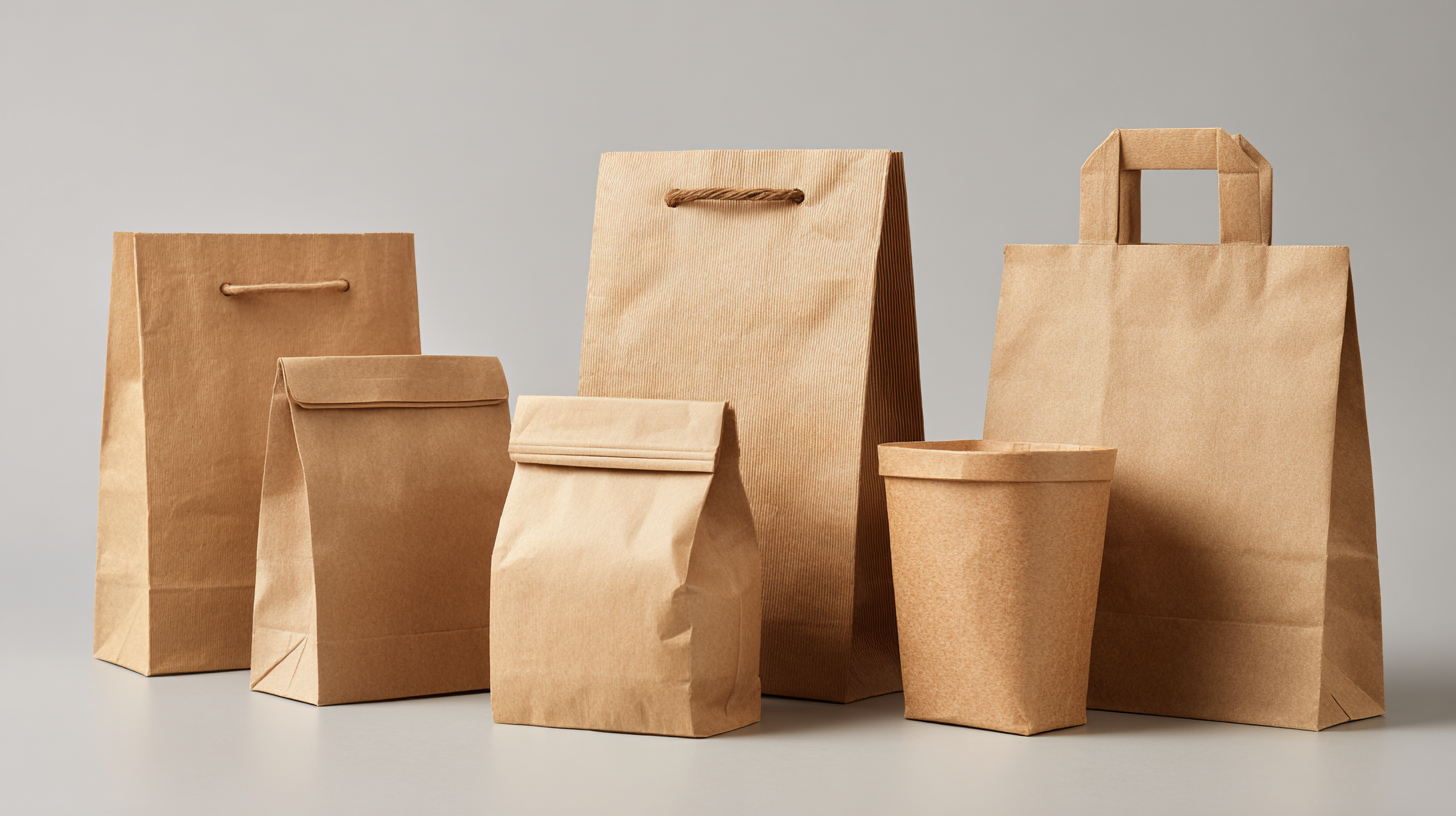
The Rising Demand for Sustainable Food Packaging Solutions
These days, as everyone becomes a bit more aware of environmental issues, there’s been a noticeable buzz in the food world about switching to more sustainable packaging options. People care more than ever about how their food is packaged—it’s like they’re paying attention now, and brands are starting to catch on. One big trend? Moving away from plastic and leaning into paper packaging. Not only does paper stuff cut down on pollution, but it also gels with folks who really care about the planet.
And there’s more to it than just being eco-friendly. Paper packaging is usually biodegradable and recyclable, so it helps cut down on trash ending up in landfills and supports that whole circular economy vibe. Also, it can help keep food fresher longer because it’s breathable—unlike some plastics that trap moisture or cause spoilage. As companies jump on this bandwagon, they’re not just making customers happy; they’re also doing their part to be responsible and show some love for the Earth. It’s a small change, but it sets a pretty good example for how everyone in the food industry could do better in the future.
Exploring the Benefits of Paper Packaging for Food Over Plastic Solutions – The Rising Demand for Sustainable Food Packaging Solutions
| Dimension | Paper Packaging Benefits | Plastic Packaging Drawbacks |
|---|---|---|
| Environmental Impact | Biodegradable and compostable, reducing landfill waste. | Non-biodegradable, contributing to long-term environmental pollution. |
| Consumer Preference | Increasingly preferred by consumers who value sustainability. | Declining preference as awareness of plastic pollution grows. |
| Cost | Can be cost-effective in bulk, especially with recycling incentives. | Often cheaper initially, but hidden environmental costs can be higher. |
| Safety | Generally considered safer for food packaging without harmful chemicals. | Potential leaching of harmful chemicals from certain plastics. |
| Recyclability | Highly recyclable, with many programs in place for paper products. | Recycling rates are low, and many plastics are not accepted in curbside programs. |
| Brand Image | Elevates brand reputation as environmentally friendly. | May harm brand image due to association with pollution. |
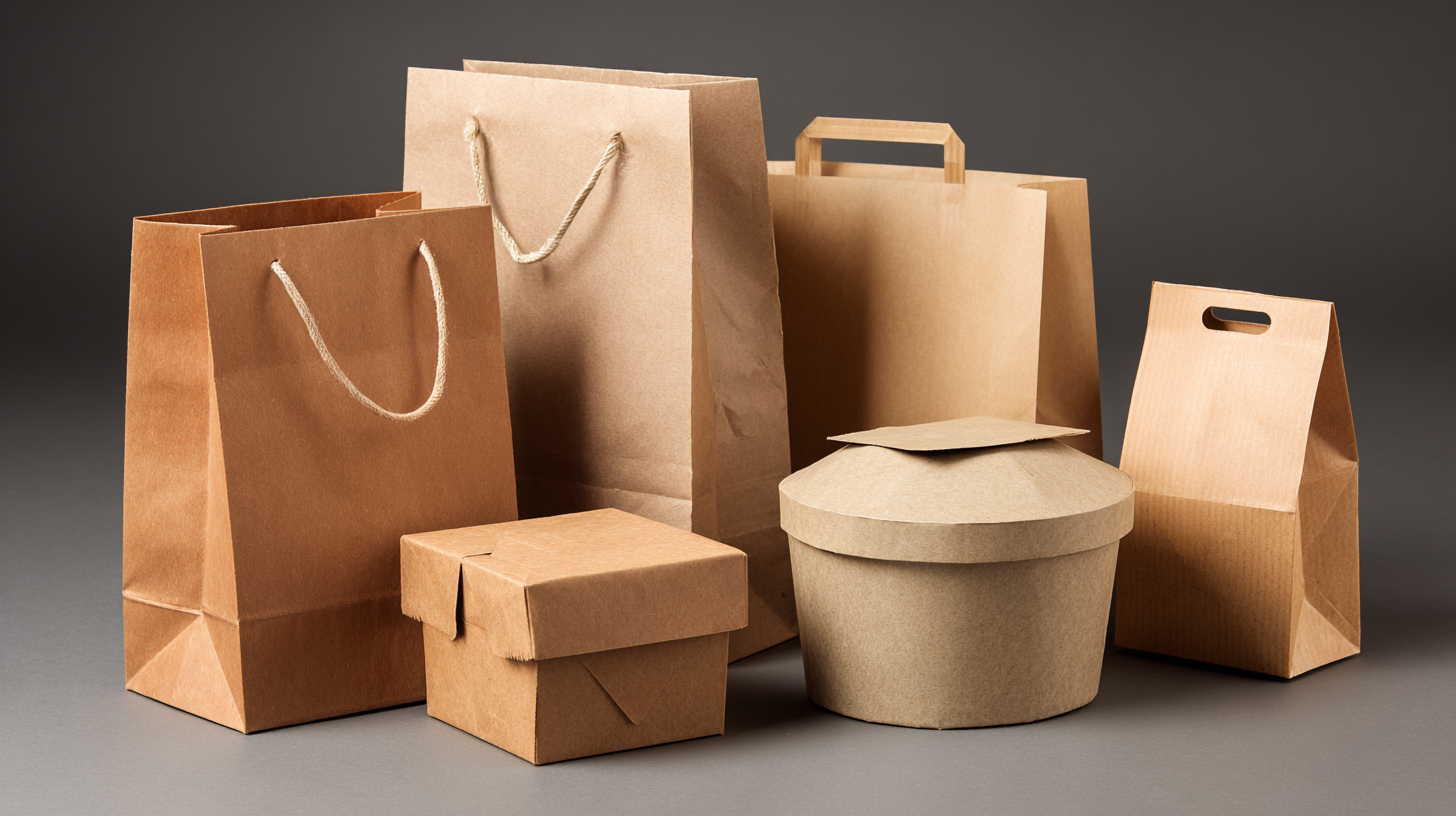
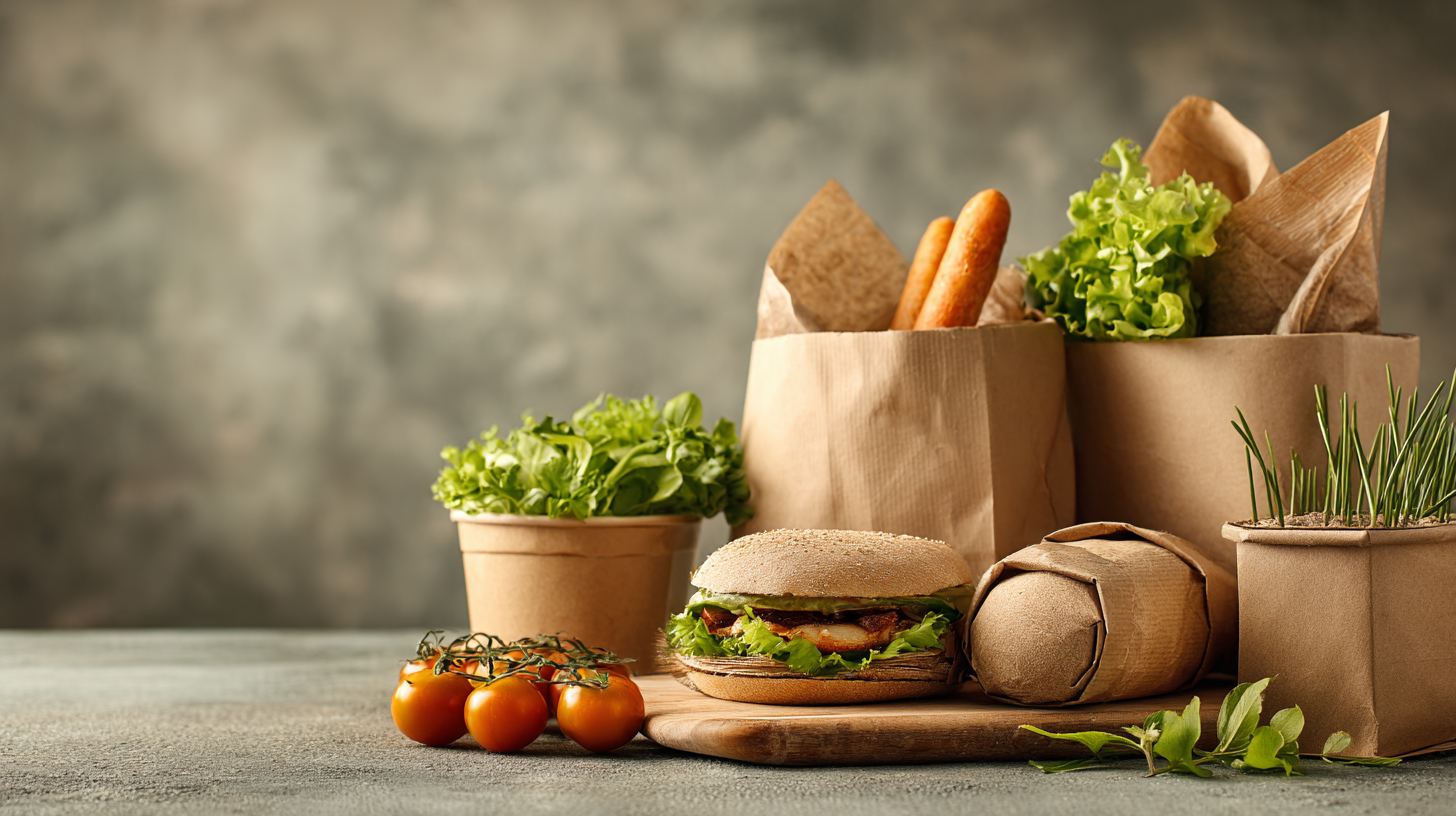
Exploring the Rising Demand for PE Coated Paper Products: Insights from Recent Market Research Reports
The recent surge in demand for PE coated paper products highlights a significant trend in various industries, from packaging to food service. PE, or polyethylene, coating enhances the durability and moisture resistance of paper products, making them an ideal choice for applications that require both functionality and sustainability. Recent market research reports indicate a growing consumer preference for eco-friendly options, driving manufacturers to innovate their product offerings. This demand underscores the importance of quality and sustainability, as industries seek to reduce waste while delivering reliable products.
The versatility of PE coated paper products has made them increasingly popular across different sectors. From food containers that retain heat and prevent leakage to wrapping papers that protect goods during transit, these products cater to diverse needs. Notably, the foodservice industry has embraced PE coated papers for their ability to maintain food quality without compromising on environmental responsibility. As consumers become more eco-conscious, the market is witnessing a shift towards products that not only meet safety standards but also align with sustainability goals. This evolution is essential for businesses aiming to stay competitive in a bustling market.
Furthermore, advancements in coating technology have improved the performance and application range of PE coated paper products. Manufacturers are exploring new ways to enhance the functionality of these materials, ensuring they remain relevant in a rapidly changing market. As the evidence of demand continues to mount, stakeholders in various industries must stay informed about the latest trends and innovations to meet consumer expectations effectively.
FAQS
: The rising awareness of environmental challenges and consumer preferences for eco-friendly options are driving the demand for sustainable food packaging solutions.
Paper packaging minimizes carbon footprints, is biodegradable and recyclable, and enhances food freshness without the harmful effects associated with some plastics.
Paper packaging has a significantly lower carbon footprint as it is made from renewable resources, while plastic is derived from fossil fuels, contributing to higher greenhouse gas emissions.
Biodegradable and compostable paper packaging decomposes naturally, reducing landfill waste and contributing to a circular economy, in contrast to plastic which can take hundreds of years to break down.
Innovations such as enhanced barrier coatings protect against moisture and oxygen, extending shelf life and ensuring food remains fresh and safe for consumption, thereby reducing food waste.
Recent breakthroughs include the creation of compostable packaging options, lightweight yet durable designs, and innovative structures like molded paper pulp, making it a viable eco-friendly solution.
By prioritizing paper over plastic, companies and consumers affirm their commitment to sustainability and responsible production practices, benefitting the planet’s ecosystems.
Consumers are becoming more eco-conscious and discerning about their packaging choices, prompting brands to adopt sustainable options like paper packaging.
The shift towards paper packaging fosters a broader cultural movement towards sustainability, promoting responsibility and care for the planet within the food industry.
Enhanced paper packaging innovations help in preserving food, thereby reducing food waste and contributing to sustainability efforts within the food industry.
Conclusion
Lately, people have really started to care more about using sustainable packaging for food, which has led to a big shift away from old-school plastic stuff. Instead, many are now turning to eco-friendly options like paper packaging—it’s pretty clear that this trend is gaining momentum. If you think about it, paper packaging does a lot to lessen our carbon footprint compared to plastic. And honestly, as more consumers get eco-conscious, they’re more and more likely to pick products that come in paper wraps or boxes.
On top of that, using paper for packaging is becoming more affordable, especially as new tech and innovations keep making it better at keeping food safe and fresh. So, it’s not just better for the planet but also a solid choice economically. Here at Nanning Paperjoy Paper Industry Co., Ltd., we’re excited to play our part in this movement by making high-quality PE coated paper raw materials. We believe that the future of food packaging isn’t just about being sustainable but also about being reliable and safe for everyone.
Related Posts
-
7 Incredible Facts About Paper Packaging Material You Never Knew
-
How to Identify the Best Paperjoy Paper Manufacturer for Your Business Needs
-
Innovative Examples of Best Kraft Packaging Transforming the Industry with Eco-Friendly Solutions
-
How to Identify Top Suppliers for Best Disposable Lunch Box Solutions Globally
-
7 Essential Tips for Choosing the Best Kraft Paper Sheet for Your Business Needs
-
Ultimate Guide to Choosing the Best Disposable Lunch Box for Every Occasion