

Top Paper Cup Raw Material Suppliers for Global Buyers?
Table of Contents
- Overview of the Paper Cup Industry and Its Raw Material Requirements
- Key Raw Materials Used in Paper Cup Manufacturing
- Top Global Suppliers of Paper Cup Raw Materials
- Criteria for Selecting Quality Paper Cup Raw Material Suppliers
- Innovations in Paper Cup Raw Materials: Trends and Developments
- Sustainable Paper Cup Raw Materials: Eco-Friendly Options and Practices
- Challenges Faced by Paper Cup Raw Material Suppliers in the Market
- Innovative Solutions in Sustainable Packaging: The Rise of FBB/C1S Ivory Board Paper Roll for Paper Cups
- FAQS
- Conclusion
- Related Posts
Lately, there’s been a huge spike in demand for eco-friendly packaging around the world. Because of that, finding the right paper cup raw material suppliershas become more important than ever for businesses trying to stay ahead in a pretty competitive market. Industry experts like John Smith, who’s the CEO of EcoPack Solutions, often emphasize, “The quality of raw materials really affects how sustainable the final paper cups are.”
Top suppliers now offer a variety of materials that aren’t just tough and reliable but also kind to the environment. Companies like GreenWrap Corp and BioPly Ltd are leading the charge here—they’re all about using recycled and biodegradable ingredients, which reflects a broader shift in what consumers are looking for these days. This isn’t just a passing trend; it’s a real shift in what people expect from brands.
That said, finding dependable Paper Cup Raw material suppliers isn’t always straightforward. Some companies might care more about profit than about quality, which can be pretty risky. That’s why it’s super important to do thorough homework—check certifications, ask about sustainability practices, and really dig into what’s behind the scenes. Like John Smith puts it, businesses need to ask the tough questions about their materials so they can make smarter choices—choices that benefit the planet and help boost their brand’s reputation. In the end, making sure you get high-quality raw materials isn’t just a good move; it’s shaping the future of the industry.
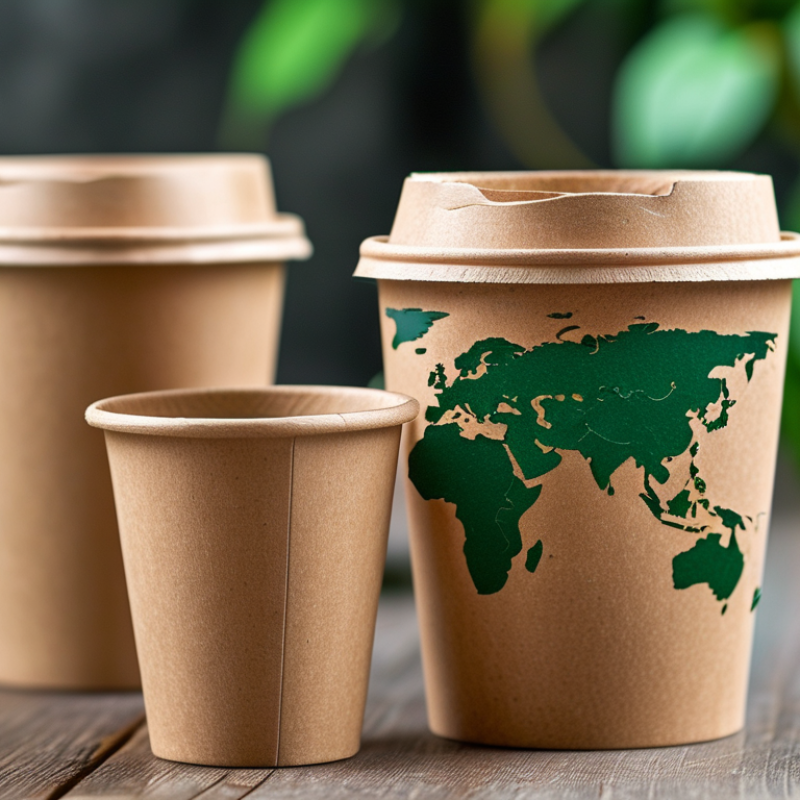
Overview of the Paper Cup Industry and Its Raw Material Requirements
The paper cup industry has experienced remarkable growth due to rising consumer demand for convenient beverage packaging. The raw materials used in paper cupsare crucial for their performance and sustainability. Primarily, these materials include Cup Stock paper, which is designed to withstand hot liquids without losing structural integrity. Sourcing quality cup stock paper is essential for producers aiming to maintain product standards.
Many suppliers offer various grades of cup stock paper. This can create confusion in the market. Buyers need to consider factors such as moisture resistance, strength, and environmental impact. Some manufacturers may claim to provide high-quality materials, but quality assurance is vital for long-term partnerships. Reliable suppliers should transparently share their production processes, certifications, and test results.
Sustainability trends are also shaping the paper cup industry. Increasingly, papers made from recycled fibers are preferred by both buyers and consumers. However, these materials can vary significantly in performance. This can be a challenge for manufacturers. They have to balance environmental benefits with functionality to satisfy customer expectations. Establishing strong relationships with reputable cup stock paper suppliers becomes key to navigating this complex landscape.
Key Raw Materials Used in Paper Cup Manufacturing
When it comes to manufacturing paper cups, selecting the right raw materials is crucial. The industry primarily relies on three key materials: paperboard, polyethylene, and adhesive. Paperboard makes up the structure, providing strength and durability. It is typically sourced from sustainable forests, ensuring minimal environmental impact.
Polyethylene serves as a coating to prevent leaks and preserve the integrity of the beverage. Recent reports indicate that around 60% of paper cup manufacturers prefer high-density polyethylene (HDPE) due to its effective barrier properties. Adhesives are essential for ensuring the cups stay intact during use.
Tips: Always inquire about the sustainability practices of your suppliers. Certifications from recognized environmental organizations can indicate responsible sourcing. Some reports suggest that eco-friendly materials may become a significant trend, offering a promising future for paper cup production.
Moreover, the selection process may involve trade-offs. While higher-quality materials can increase cup durability, they may also raise costs. Many paper cup manufacturers are exploring recycled materials to maintain cost efficiency while meeting environmental standards. Engaging with multiple Paper Cup Fan Suppliers can also provide insights into emerging trends and innovations in raw materials. This approach ensures a thoughtful supply chain strategy.
Top Global Suppliers of Paper Cup Raw Materials
When seeking top global suppliers of paper cup raw materials, buyers must consider several aspects. The industry is vital for sustainable packaging solutions. Many suppliers focus on renewable resources and eco-friendly production methods. This trend fosters a more environmentally conscious approach to cup manufacturing.
The quality of raw materials significantly influences the end product’s performance. Sourcing from suppliers who prioritize safety and sustainability is essential. Buyers should verify the sourcing practices and certifications of their suppliers. Engaging in conversations with suppliers can reveal their commitment to quality and environmental standards.
However, some suppliers may lack transparency. This ambiguity can lead to confusion about the quality of materials. It’s crucial to research and seek feedback from peers in the industry. Building strong relationships with reliable suppliers can enhance the quality of your paper cups. The goal is to maintain high standards while promoting sustainable practices in your production process.
Criteria for Selecting Quality Paper Cup Raw Material Suppliers
When selecting paper cup raw material suppliers, quality must come first. Buyers should consider the supplier’s experience in the field. Experienced suppliers often understand market demands well. They also have established reliable production processes. Look for suppliers who have a proven track record in providing high-quality materials.
Next, verify the supplier’s certifications. Certifications can indicate adherence to industry standards. This is vital in ensuring safety and sustainability. Additionally, assess the transparency of their sourcing. Suppliers who disclose their supply chain build trust. Lastly, consider customer reviews and feedback. They often provide insights into reliability and service quality. Suppliers may not always deliver on promises, so it’s important to do thorough research. Quality matters, but so does the relationship with suppliers.
Keep in mind that not every supplier meets expectations. Some may face production delays or material inconsistencies. Reflecting on past experiences can help refine your criteria. It’s essential to be flexible and adapt to changing needs. The paper cup industry is evolving rapidly, and so should your criteria for selecting suppliers.
Innovations in Paper Cup Raw Materials: Trends and Developments
In recent years, the demand for eco-friendly paper cup raw materials has surged. Industry reports indicate that the paper cup market is expected to grow at a compound annual growth rate (CAGR) of over 5% from 2021 to 2028. Innovations in raw materials play a crucial role in this growth. Manufacturers are focusing on sustainable sources, promoting biodegradable and compostable options.
One key development is the use of plant-based coatings instead of traditional plastics. These alternatives reduce environmental impact while maintaining functionality. Studies show that cups made from these materials decompose much faster than conventional plastic-lined options. A recent report indicated that nearly 70% of consumers prefer cups made from renewable materials. This shift highlights a growing awareness of sustainability.
However, challenges remain. Not all new materials perform equally well in terms of barrier properties and durability. Some options may lack the necessary strength for hot beverages. Additionally, the transition to these alternatives may involve higher production costs. Companies must innovate while balancing quality and expense. The industry faces an ongoing struggle to align sustainability with practicality in paper cup production.
Sustainable Paper Cup Raw Materials: Eco-Friendly Options and Practices
The demand for sustainable paper cup raw materials has surged in recent years. Eco-friendly options are becoming essential for businesses. Many suppliers are now focusing on renewable resources. This shift is driven by consumers who prioritize environmental responsibility.
Using biodegradable materials is one approach. Paper cups made from recycled fibers can help reduce waste. However, not all recycled products are created equal. It’s important for buyers to evaluate the sourcing of these materials. A reliable paper cup roll supplier will provide transparency in their practices.
Reducing plastic use is another critical aspect. Some companies are exploring plant-based coatings instead of traditional plastic linings. These innovations show promise but often come with challenges. The balance between functionality and sustainability is delicate. It’s crucial for businesses to understand these trade-offs as they make decisions.
Challenges Faced by Paper Cup Raw Material Suppliers in the Market
In the competitive landscape of raw materials for paper cups, suppliers face several challenges. The demand for eco-friendly options rises each year, yet sourcing sustainable materials can be difficult. Industry reports estimate that over 75% of global consumers prefer biodegradable products. This creates pressure for suppliers to innovate and provide alternatives to traditional materials.
Quality control remains a significant hurdle. Suppliers need to meet strict standards while ensuring their materials are cost-effective. According to a recent study, 54%% of suppliers reported quality issues that result in increased production costs. These challenges can make it hard for suppliers, especially those providing PE Coated Paper Rolls, to maintain profitability.
Tips: Engage in regular dialogue with manufacturers to understand their needs. Investing in technology for quality assessment can reduce defects. Networking in industry forums can also provide insights into emerging trends and solutions. Continuous learning about environmentally friendly practices can help suppliers stay competitive.
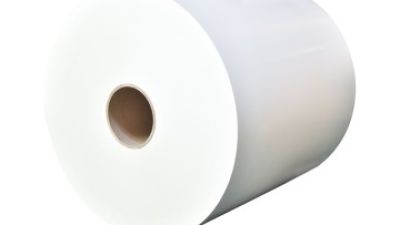
Innovative Solutions in Sustainable Packaging: The Rise of FBB/C1S Ivory Board Paper Roll for Paper Cups
The growing focus on environmental sustainability has led to innovative solutions in packaging, particularly in the beverage industry. One such advancement is the emergence of FBB (Food Grade Barrier Board) and C1S (Coated One Side) ivory board paper rolls, which are becoming increasingly popular for producing paper cups. These materials not only meet the stringent requirements for food safety but also align with eco-friendly practices that are in high demand.
FBB/C1S ivory board offers exceptional print quality and strength, making it an ideal choice for manufacturers looking to create aesthetically appealing and durable paper cups. The coated surface allows for vibrant colors and sharp graphics, which are essential for brand identity and customer engagement. Moreover, the lightweight nature of these paper rolls means that they are resource-efficient, requiring less material without compromising on performance.
Additionally, the environmental benefits of using FBB/C1S ivory board are noteworthy. These materials are often recyclable and biodegradable, contributing to reduced waste and a lower carbon footprint. As consumers increasingly prefer products that are both functional and sustainable, the use of FBB/C1S ivory board for paper cups represents a significant step toward greener packaging solutions in the food and beverage industry, illustrating the transformative impact of innovation in sustainable practices.
FAQS
: Buyers should prioritize sustainable sourcing, verify certifications, and assess suppliers’ transparency regarding their practices.
Eco-friendly materials, like recycled fibers, reduce waste but vary in quality. Buyers must evaluate the sourcing of these materials.
Lack of transparency can confuse buyers about material quality. Engaging in conversations with suppliers is key to understanding their practices.
Suppliers struggle with high demand and limited availability of sustainable resources, which can hinder innovation and product offerings.
Innovations like plant-based coatings show promise but may affect functionality. Understanding trade-offs is crucial for informed decision-making.
Maintaining quality is challenging but necessary. Poor quality can increase production costs and harm supplier profitability.
Regular dialogue with manufacturers and investing in quality assessment technology can help reduce defects and improve standards.
A growing number of consumers prefer biodegradable products, driving suppliers to innovate and offer eco-friendly alternatives.
Continuous learning about sustainable practices and networking in industry forums can provide insights and keep suppliers relevant.
Strong relationships can lead to better quality assurance and foster shared commitments to sustainability in production processes.
Conclusion
The paper cup industry plays a crucial role in meeting the growing demand for environmentally friendly packaging solutions. Key raw materials required for paper cup manufacturing include high-quality paper, coatings, and adhesives, which must meet specific performance criteria. As global buyers seek reliable paper cup raw material suppliers, factors such as sustainability, innovation, and quality assurance become increasingly important in supplier selection.
Recent trends highlight the shift towards eco-friendly options, with suppliers focusing on biodegradable and recyclable materials. However, challenges such as supply chain disruptions and fluctuating raw material costs persist in the market. Understanding these dynamics is essential for buyers aiming to partner with the right paper cup raw material supplier to ensure product quality and sustainability.
Related Posts
-
“The Future of Eco-Friendly Paper Cup Fandom: Innovations in Sustainable Design”
-
Innovative Uses of Best Kraft Paper Cups in Food Service and How to Choose the Right One
-

How to Make a Paper Cup Fan Step by Step Guide?
-
2025 Trends in Paper Cup Manufacturing: How to Choose the Best Bottom Roll for Your Business
-
Top 10 Paper Cup Suppliers for Your Business Needs?
-
Top 5 Tips for Choosing a Paper Cup Raw Material Supplier?

Blog Tags:


