

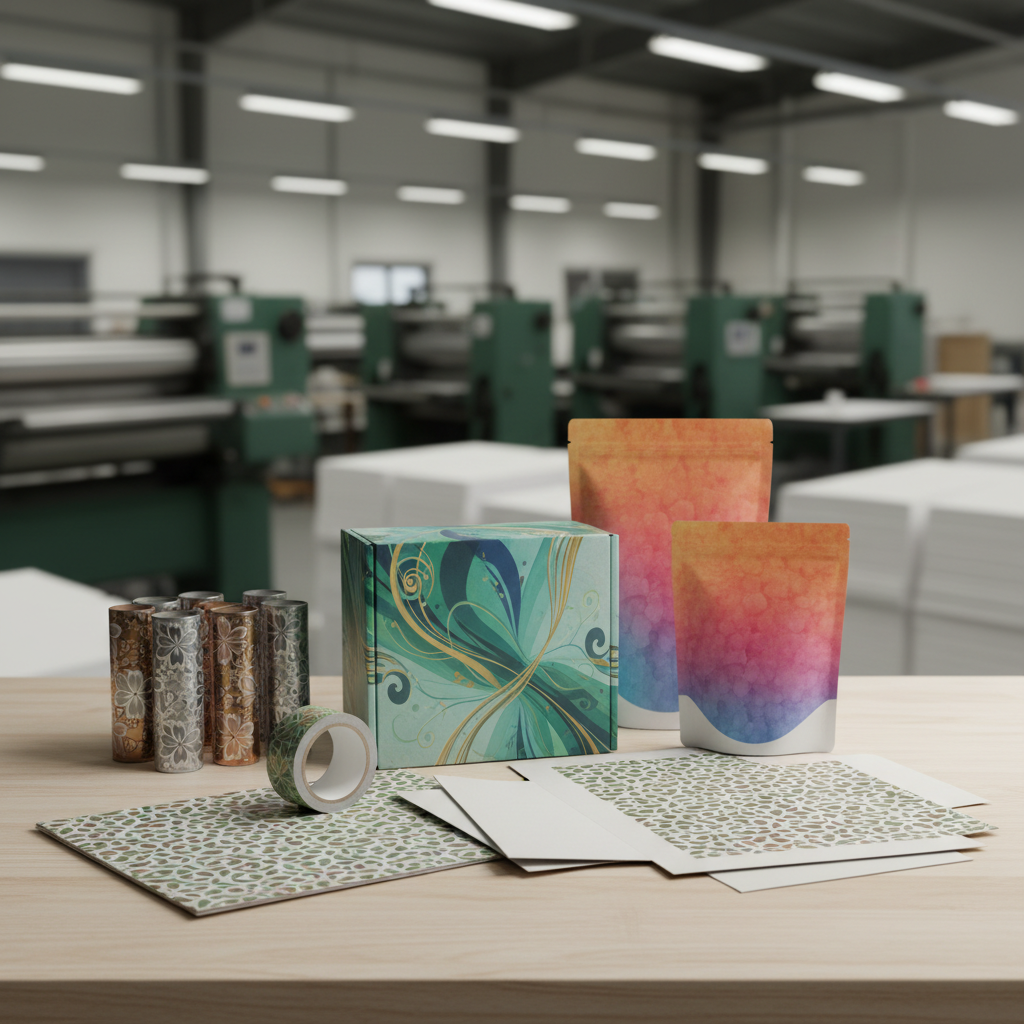
 Packaging Printing really plays a big role in today’s market. It’s not just about protecting the products anymore—it’s a key part ofbranding and marketing too. These days, as folks care more about how things look and work, packaging printing has become this cool, versatile industry. It mixes creative, eye-catching designs with the latest tech, making everything more exciting. Whether you’re running a small startup or a big company, using packaging printing can help your products stand out on the shelves and really tell your brand’s story.
But it’s not all about just looking good. Packaging printing also offers practical perks, like making sure products are safe and meet industry standards. Some companies, like ABC Packaging Solutions, have been ahead of the game with eco-friendly printing techniques, which is such a win because consumers are more than ever into sustainable choices. And with digital printing technology advancing so quickly, the possibilities are pretty much endless—think quick prototypes and custom touches that really hit niche markets.
Getting a handle on how packaging printing works and its benefits is super important if you want to make a splash in a competitive world. When businesses put some thought into their packaging, they not only boost brand recognition but also create a memorable unboxing experience that Customers really connect with. As we dive into the ins and outs of packaging printing, we’ll go over some hurdles, cool innovations, and share tips for anyone looking to up their game in this fast-moving industry.
Understanding the Basics of Packaging Printing Techniques
Packaging printing is a crucial aspect of modern manufacturing, providing both functional and aesthetic purposes. Various techniques are employed in the packaging industry, each offering distinct advantages. Flexographic printing, for instance, is widely used due to its efficiency and ability to produce high-quality prints on different substrates, making it ideal for large-volume production. According to a report by Smithers Pira, the global flexographic printing market is projected to grow at a CAGR of 3.1% through 2024, reflecting its strong position in the packaging sector.
Another significant technique is digital printing, which has gained traction because of its ability to provide customization without the need for extensive setup. This method allows brands to produce small batches while maintaining high quality, catering to the rising consumer demand for personalized products. A study from Research and Markets estimates that the digital printing in packaging market will reach $23 billion by 2027, expanding at a rapid pace due to advancements in technology and a shift toward sustainable practices. These techniques not only enhance the visual appeal of products but also contribute to improved branding and consumer engagement.
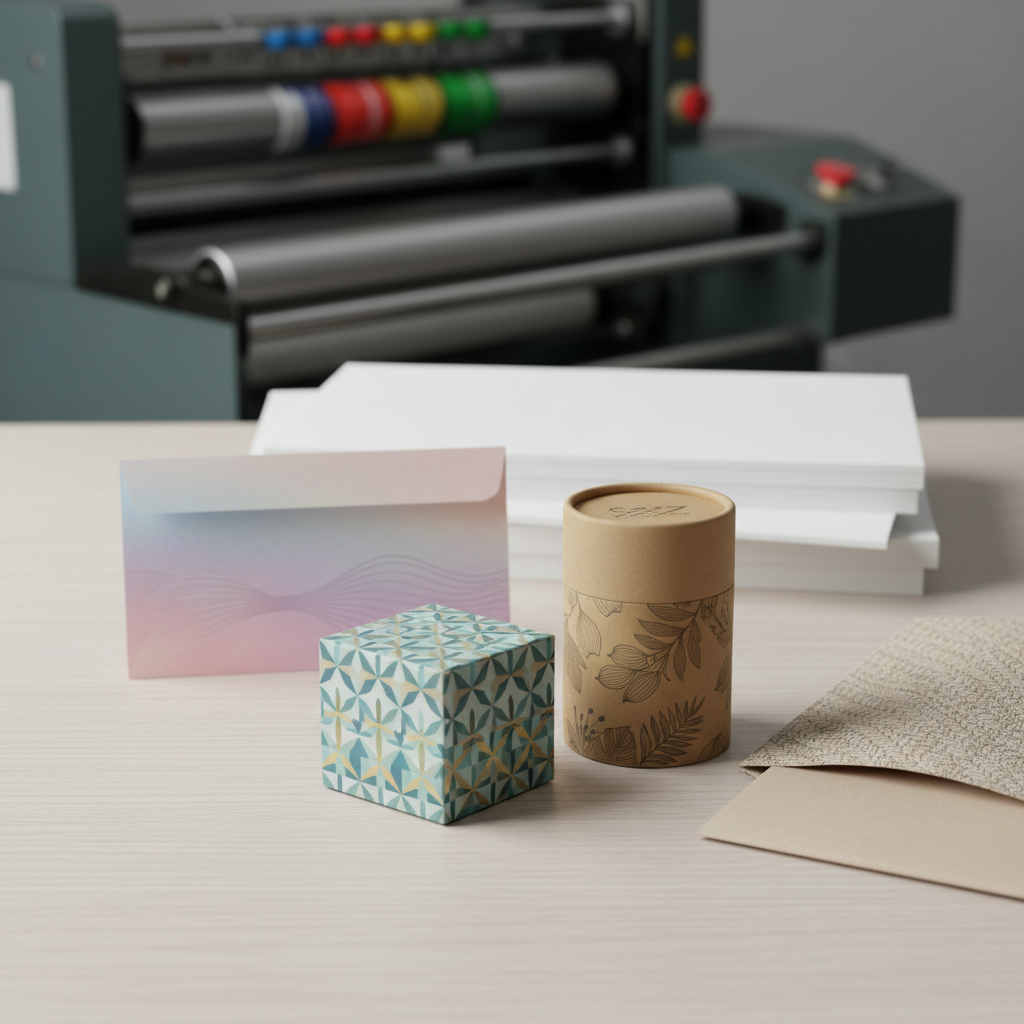
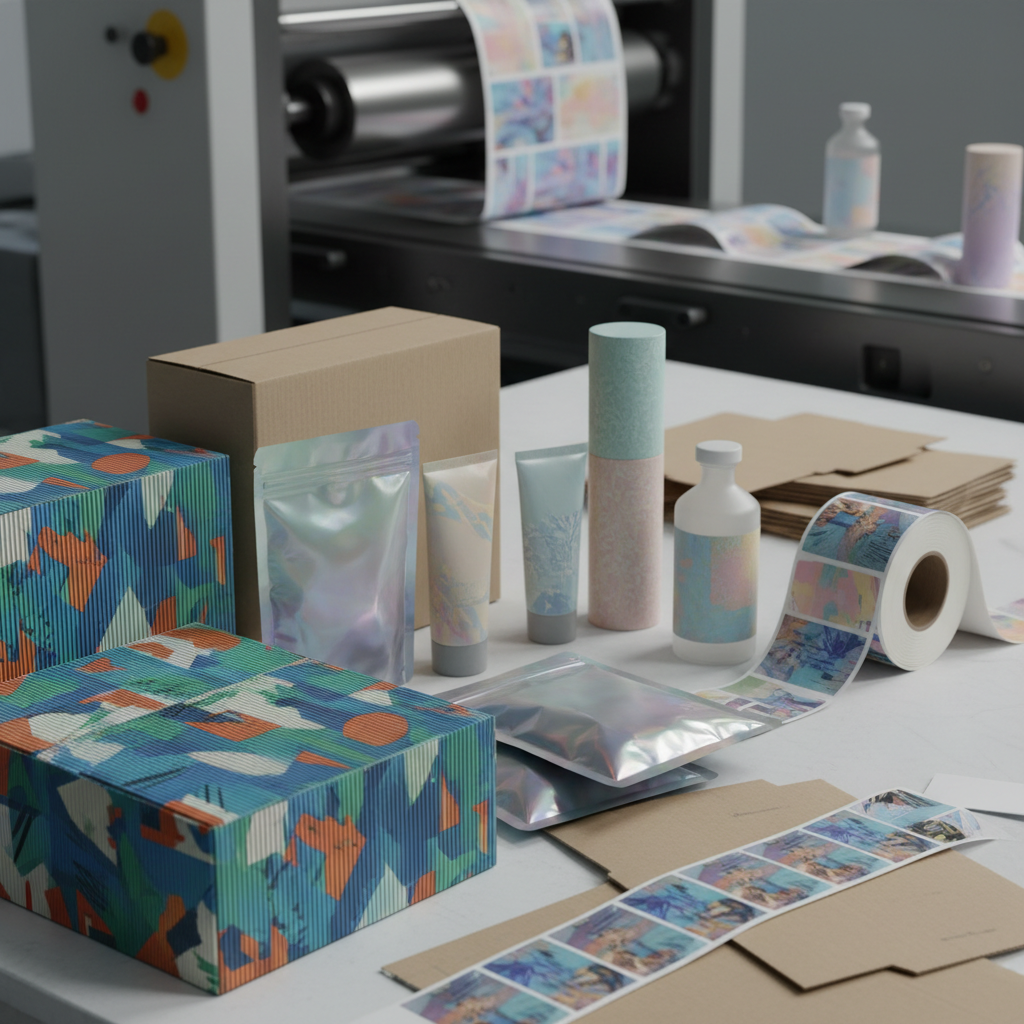 Packaging printing plays a significant role across various industries, enhancing both product presentation and brand visibility. From food and beverage to cosmetics and pharmaceuticals, businesses leverage packaging printing to create eye-catching labels and packaging solutions. The shift towards digital printing is reshaping this landscape, allowing for greater customization and faster turnaround times, which is crucial in today’s fast-paced market.
Exploring the Versatility of 100% Original Width 700mm PE Coated Paper Rolls: Insights from Industry Reports on FBB/C1S Ivory Board Applications in Packing and Printing
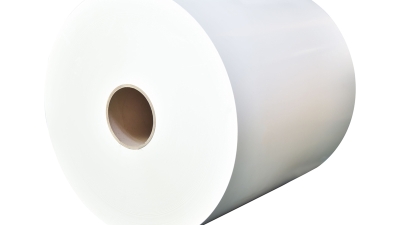
The versatility of 100% original width 700mm PE coated paper rolls has been a game-changer in various industries, particularly in the applications of FBB/C1S ivory board for packing and printing. These paper rolls provide an optimal solution for manufacturers seeking high-quality materials that offer durability and aesthetic appeal. The PE coating enhances the paper’s resistance to moisture and damaging elements, making it ideal for packaging that requires both functionality and a polished finish.
Industry reports indicate that the integration of PE coated paper rolls in packaging not only improves product protection but also enhances branding opportunities through customizable printing options. The smooth surface of the ivory board allows for high-resolution graphics, which are crucial for attracting consumers’ attention. This combination of protective qualities and printability makes these paper rolls a popular choice among businesses looking to create visually appealing packaging that stands out in a crowded market.
Moreover, the 700mm width ensures compatibility with various printing and cutting equipment, allowing for efficient production processes. Companies can easily adapt these rolls for a range of applications, from boxes to labels, thereby streamlining operations while maintaining a focus on quality. The insights from industry reports underscore the growing preference for sustainable and versatile materials like PE coated paper rolls, which align with modern consumer demands for eco-friendly packaging solutions.
FAQS
: Packaging materials include paper, cardboard, flexible plastics, and glass, each offering unique advantages suitable for various industries.
Eco-friendly options like biodegradable plastics and recycled paper reduce environmental impact and appeal to eco-conscious consumers, reflecting a growing market demand for sustainable solutions.
The sustainable packaging market is expected to grow at a CAGR of 7.7% from 2021 to 2026.
Factors to consider include durability, cost-effectiveness, and environmental impact to ensure the packaging protects the product and resonates with the target audience.
Advanced technologies such as AI, IoT, blockchain, and robotics are enhancing efficiency and sustainability in packaging, leading to reduced material waste and better product integrity during transit.
Flexible packaging solutions, like pouches and sachets, are lightweight and use less material, potentially reducing carbon footprints by up to 30% compared to rigid packaging.
Collaborations are leading to eco-friendly innovations, such as FSC-certified cartons with recycled content, driving the shift towards sustainable practices in packaging.
Choosing the right partner is vital for achieving operational efficiency and environmental responsibility, aligning with trends in sustainable packaging solutions.
Experimenting with new printing technologies can improve the visual appeal of packaging, creating a lasting impression on consumers.
Industries like pharmaceuticals benefit significantly from optimized packaging practices due to the importance of maintaining product safety and efficacy during transit.
Conclusion
Packaging printing plays a crucial role in modern product presentation, involving various techniques and materials that enhance the aesthetic appeal and functionality of packaging. Understanding the basics of packaging printing techniques helps businesses effectively convey their brand message while utilizing different types of materials, such as PE coated paper, which is vital for products like paper cups and packaging boxes. The key benefits of effective packaging printing include not only improved product visibility but also increased consumer engagement, which ultimately drives sales.
For businesses seeking to design eye-catching packaging, it’s essential to follow a structured design process and adhere to best practices when selecting a packaging printing partner. Common applications of packaging printing can be observed across various industries, enhancing product marketing and creating memorable customer experiences. At Nanning Paperjoy Paper Industry Co., Ltd., we specialize in providing high-quality raw materials specifically tailored for packaging printing, including PE coated paper roll and C1S ivory board, ensuring that our clients achieve optimal results in their packaging solutions.
Related Posts
-
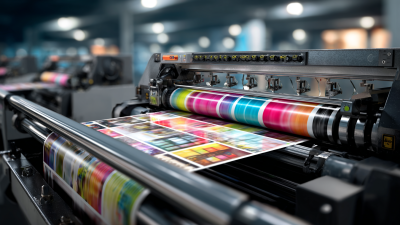
Emerging Trends in Packaging Printing Technology for 2025 The Complete Guide
-
How to Maximize Sustainability with Paper Kraft in Your Packaging Solutions
-
Why Paper Lunch Boxes Are the Eco-Friendly Choice for Your Daily Meals
-
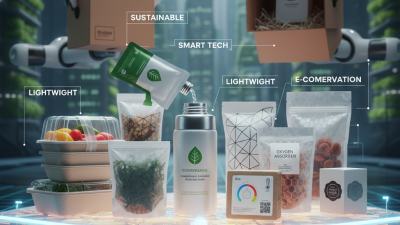
Top 5 Innovative Packaging Products Transforming the Industry Today
-
Unmatched Quality in Best Kraft Paper from China’s Leading Manufacturers
-
The Hidden Benefits of Kraft Packaging: Why Eco-Friendly Choices Matter for Your Business