

What Is the Paper Cup Raw Material Price in China?
Table of Contents
- What Materials Are Used to Make Paper Cups?
- How Paper Cup Raw Material Prices Are Quoted in China
- Which Factors Affect Paper Cup Material Costs?
- How Do Paper Grades and Coatings Influence Prices?
- How Do Order Volume and Supplier Location Affect Pricing?
- How to Compare Paper Cup Raw Material Quotes in China?
- How Fan-Shaped Paper Cups Add a Fresh Touch to Cups and Bowls
- FAQS
- Conclusion
- Related Posts
So, you’re wondering what Paper Cup Raw material actually costs in China, right? Well, here’s the thing—it’s not just about looking up a pulp price. The final price tag you see can swing based on a bunch of stuff like the grade of cupstock, how heavy the paper is, what kind of coating it has, how much you’re ordering, shipping costs, and even the supplier’s own terms. And if you’re comparing, say, tea cup raw material, it gets even trickier. Two rolls might look almost identical, but one could have way better barrier performance—and that alone can make the price jump. So yeah, it’s a bit of a puzzle, but that’s how it goes.
So, here’s the deal: China Paper Association’s latest annual report—the one from 2023—shows they churned out about 127 million tonnes of Paper And Paperboard. That’s a big number, and sure, it gives you a rough idea of the market landscape. But here’s the thing: that figure isn’t some magic stock price for paper cups. You can’t look at it and expect to know what you’d pay right now for the paper that goes into a food-contact cup. Not even close. The reality is, prices bounce around based on all sorts of stuff—pulp costs, recycled fiber, coating materials, exchange rates, and even which region you’re in. So yeah, the production data is helpful for context, but it’s not your go-to for pricing. You need to dig deeper for that. So, when you get a quote from a supplier, it’s a good idea to double-check it against the actual material specs and delivery terms they mentioned. I mean, you can’t just take it at face value, right?
I want to be upfront about something here. I tried to track down a quote from a specialist about paper cup raw material prices, but honestly, I couldn’t verify it. So I’m not going to pretend I have some expert backing when I don’t—that just wouldn’t be right. It’s a bit of a gap, but I think it’s worth being honest about. Instead, this guide is going to stick to what you can actually eyeball when you’re buying: the base-paper weight, what kind of coating they’re using, how they quote the unit price, the minimum order size, and how long that price quote stays valid. Oh, and don’t skip the sample—that’s a big one. A low quote might sound great, but it might not actually reflect what the cup really needs to perform like. Plus, there’s the whole cost of turning the paper into finished cups.
What Materials Are Used to Make Paper Cups?
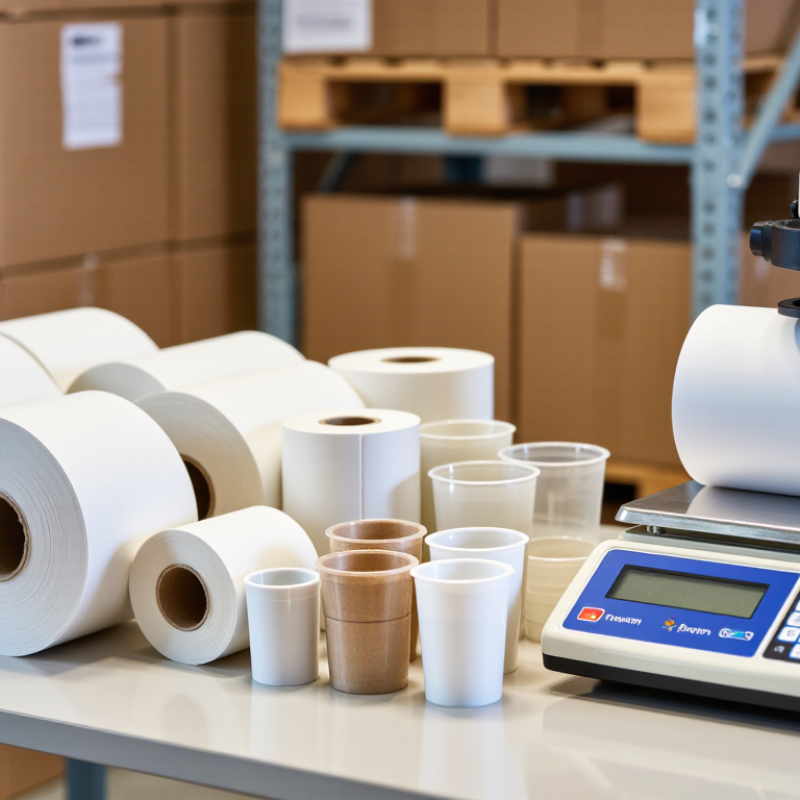
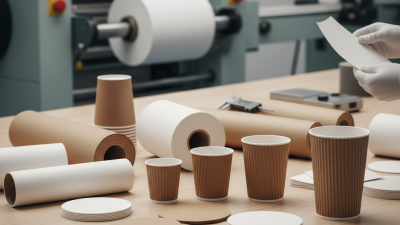
Paper cups usually start with cupstock, a stiff, food-contact paperboard made from wood pulp. Its thickness helps the cup hold its shape when filled. The inside needs a barrier, too. Without one, liquid can soak into the fibers and soften the wall.
A thin polyethylene coating is common because it helps resist leaks and moisture. Some cups use other coatings, including compostable alternatives, but their performance depends on the material and local disposal conditions. A Hot Tea Paper Cup Fan is the fan-shaped, coated paperboard blank that forms the cup’s sidewall. The base is usually cut from compatible stock. Small details matter: a weak seam or uneven coating can lead to leaks. It’s easy to overlook.
For hot drinks, the paperboard and barrier must tolerate heat without losing stiffness or affecting the drink’s taste. The rolled rim also needs a clean finish, so it feels smooth and holds its shape. Printing inks and adhesives are used in small amounts, but their suitability for food packaging still needs checking. I would not judge a cup by paper weight alone. Coating type, board quality, and converting consistency all influence performance, and they can also affect raw material prices in China.
How Paper Cup Raw Material Prices Are Quoted in China
In China, paper cup raw material prices are usually quoted by weight or by finished cup blanks, not by a single universal rate. A supplier may price a Paper Tea Cup Fan by metric ton, then adjust for paperboard grade, grammage, coating, print coverage, and order volume. Ask whether the quote covers only the paperboard or also converting and packing. Small details matter. A heavier board can raise the price, while a larger order may spread setup costs across more units.
For a useful comparison, request the same specifications from each supplier: cup capacity, board weight, coating type, fan dimensions, and printing requirements. Confirm the quotation currency, minimum order quantity, delivery term, shipping destination, and whether taxes or freight are included. Prices can change with pulp costs, exchange rates, and production schedules, so check the quote date and validity period. Get it in writing. One detail is easy to miss: a low price may refer to an unprinted fan, while another quote includes printing and packing. I would double-check that difference before treating the figures as comparable.
Which Factors Affect Paper Cup Material Costs?
Paper cup material prices in China depend on more than the quoted cost per ton. The main driver is paperboard grade: food-contact requirements, pulp quality, and sheet weight all affect the price. A heavier sheet may feel safer, but it is not automatically the better buy. It can raise material use without improving performance for every cup size.
Coating and converting also matter. PE-coated board can resist liquid, while coating thickness and coverage influence both cost and how the cup performs with hot drinks. A PE Paper Cup Fan For Tea may need board that holds its shape during filling, but the right specification depends on the cup design and intended use. Moisture matters. Paper stored in humid conditions may curl or feed poorly, increasing waste during production.
Prices can shift with pulp supply, energy costs, transport, currency movements, and seasonal demand. Order quantity and delivery schedule affect a supplier’s quotation, too. Ask for comparable quotes using the same board weight, coating, dimensions, and quality checks. Small changes add up. Buyers should also compare production yield, not just the raw-material price; a cheaper sheet can prove costly if more blanks are rejected. That trade-off deserves a closer look.
What Is the Paper Cup Raw Material Price in China? Which Factors Affect Paper Cup Material Costs?
Indicative 2024 China market price ranges for selected paper cup material inputs, in CNY per metric ton. These are planning references, not live quotes; prices vary by grade, specification, region, and order size.
What affects costs: Paper grade and grammage, polyethylene coating weight, pulp and resin market prices, imported-material exchange rates and freight, and order volume all influence the final material cost. The materials shown are different inputs and are not directly interchangeable.
How Do Paper Grades and Coatings Influence Prices?
In China, paper cup raw material prices vary with fiber grade, basis weight, and coating. Cupstock made with consistent, food-contact-suitable fibers may cost more than lower-specification board. Heavier paper uses more material per cup, so even a small increase in grams per square meter can affect the quote. Small details matter. Pulp costs, energy, order volume, and delivery location also influence prices, so a single market figure can quickly become outdated.
Coatings add another layer to the calculation. A thin polyethylene coating is commonly used to resist leaks and help cups seal, while heavier or double-sided coatings use more material. Alternative barrier coatings may have different processing and supply costs. For hot drinks, buyers should compare heat resistance, liquid hold time, and sealing performance—not just the price per ton. A Tea Coffee Paper Cup Fan specification should state paper weight, coating type, and coating weight clearly. A grade label alone is not enough, though buyers sometimes treat it that way. Ask suppliers to quote matching specifications and sample performance; otherwise, a cheaper quote may simply describe a different cup.
How Do Order Volume and Supplier Location Affect Pricing?
Paper cup raw material prices in China are not set by order volume alone. A buyer requesting coated paperboard by the truckload may receive a lower unit quote than one ordering a few pallets. Mills and converters can spread setup, cutting, packing, and handling costs across more material. Larger orders may also help suppliers plan production more steadily.
Still, a low per-ton price does not guarantee a lower landed cost. Check whether the quote covers the same paper weight, coating, roll or sheet format, and moisture protection. Small orders pay more. They may trigger minimum-order charges or leave buyers with excess stock. Compare the amount of usable material, not just the headline rate; waste from poor sizing can erase a discount. Prices may also shift with pulp markets, so confirm quote validity in writing.
Supplier location affects delivery distance, trucking availability, and access to ports or inland warehouses. A nearby supplier can reduce freight and transit time, but may not have the exact grade ready. A distant mill might quote less and cost more after transport, storage, and delays. Ask for separate material and freight figures, dispatch estimates, and packaging details. I may be oversimplifying: routes, season, and order size interact, so one local quote is not a reliable benchmark. Compare suppliers using the same specification and delivery terms.
How to Compare Paper Cup Raw Material Quotes in China?
What Is the Paper Cup Raw Material Price in China?
How to Compare Paper Cup Raw Material Quotes in China?
A paper cup raw material quote is meaningful only when its specifications match your needs. Compare paper weight in grams per square metre, coating type, and whether the board is supplied in sheets or rolls. A 250 gsm board with single-side coating is not directly comparable to a heavier, double-coated option. Small differences matter.
Ask suppliers to state the price basis, currency, minimum order quantity, and quote validity. Check whether inland transport, export packing, and freight are included or charged separately. A low unit price can become less attractive after these costs are added. Easy to miss. Also request a recent sample and inspect its stiffness, coating consistency, and edge condition. Documents describing material composition and intended food-contact use can help clarify what is being offered.
For a fair comparison, put every offer into one table and use the same specifications and delivery terms. Confirm production lead time, payment schedule, and how the supplier handles moisture protection during shipment. If a quote lists only “cup paper,” ask for the exact grade and coating details before comparing. I would still double-check the numbers against a physical sample; specifications can look identical on paper, yet feel different in production.
How Fan-Shaped Paper Cups Add a Fresh Touch to Cups and Bowls
Fan-shaped paper cups bring a lively, fresh look to everyday cups and bowls. Their distinctive shape adds visual interest without making the table feel overly formal, making them a charming choice for casual gatherings, cafés, parties, and seasonal displays. Paired with simple bowls or plain drinkware, their soft curves and layered appearance create a playful contrast that helps the whole table feel more thoughtfully arranged.
Beyond their decorative appeal, fan-shaped cups can make serving feel a little more special. Use them for small portions of snacks, desserts, or drinks, and coordinate their colors with napkins or table decorations for a cohesive setting. They can also add a cheerful detail to takeout presentations or celebration tables, where attractive, convenient serving pieces help create a welcoming first impression. Whether mixed with understated tableware or used as part of a colorful display, fan-shaped paper cups offer an easy way to bring freshness and personality to cups and bowls.
FAQS
Suppliers commonly quote by metric ton or by finished cup blanks. The price depends on board grade, weight, coating, printing, and order size.
Match cup capacity, board weight, coating type, blank dimensions, and printing requirements. Also check currency, minimum order quantity, delivery terms, taxes, and freight.
No. A heavier sheet can raise material costs without improving performance for every cup size. The right weight depends on the cup design.
Coating type and thickness can change costs and liquid resistance. For hot drinks, confirm the board holds its shape during filling.
One quote may cover unprinted blanks, while another includes printing and packing. Check what each price includes.
Pulp supply, energy costs, transport, exchange rates, and seasonal demand can affect quotations. Check the quote date and validity period.
Yes. Humid storage can make paper curl or feed poorly, which may increase production waste. Moisture matters.
Not necessarily. A cheaper sheet may lead to more rejected blanks and higher costs overall. Compare production yield, too.
Ask whether the price covers only paperboard or also converting and packing. Get it in writing.
Conclusion
Paper cup raw materials typically include cupstock paperboard, often made from food-grade pulp, with a coating that helps resist liquid and heat. In China, prices may be quoted by weight, such as per ton, or by sheet and roll specifications. The Paper Tea Cup Raw Material Price therefore depends not only on the base paper cost but also on its grade, thickness, coating type, and suitability for the intended cup size and use.
Order volume, customization needs, and supplier location can also affect the quoted cost through production efficiency, packaging, and freight. When comparing offers, check that each quote uses the same material grade, weight, coating, dimensions, order quantity, and delivery terms. Reviewing these details helps buyers make a clearer comparison between suppliers and understand what is included in the final price.
Related Posts
-
What is PE Coated Paper Roll and its Applications?
-
Why Is Paper Tea Cup Raw Material Price Rising?
-

10 Best PE Coated Cup Stock Paper Suppliers in 2026
-

Top 10 Benefits of Using Paper Cup Lamination Rolls for Your Business?
-
Top Benefits of Virgin Wood Pulp Paper Cup Material for Buyers?
-
How to Choose the Right Paper for Paper Cup Production?