
Leave Your Message
0%

The food container business has really become a staple in how we enjoy meals and manage food services these days. With everyone demanding more sustainable options, industry folks are constantly talking about the need for fresh, innovative ideas. I mean, John Smith, the CEO of GreenPack Solutions, once said, ‘The right packaging can really make a dish pop and also cut down on environmental harm.’ That pretty much captures how both consumers and businesses are now more aware of the impact packaging has.

Right now, there’s a big push toward eco-friendly stuff, like food container PE coated paper. It’s super durable, but still better for the planet. Still, competing in this space isn’t exactly a walk in the park. Companies have to stay ahead by constantly innovating — not just in how well their products work, but also in how sustainable they are.

Lots of entrepreneurs are jumping into this growing market, but they’ve got their work cut out for them. Prices for raw materials are all over the place, and consumer tastes keep changing. It’s a lot to handle, and it really calls for smart strategies and dedication to quality. At the end of the day, succeeding in the food container game isn’t just about making money—it’s about making responsible choices that really resonate with people who care about the environment.
Top 10 Food Container Business Ideas for Global Buyers?

Innovative Food Container Solutions for Sustainable Packaging

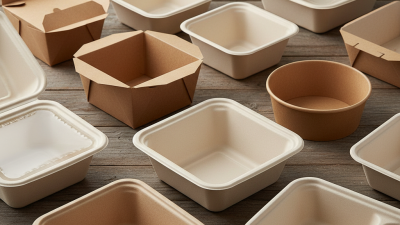
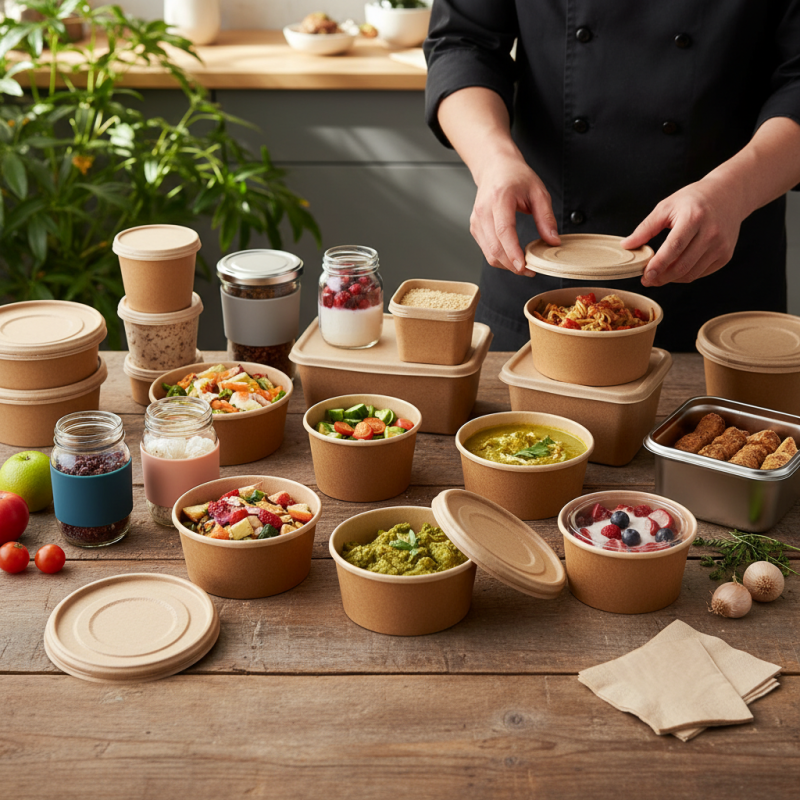
Innovative food container solutions are crucial in catering to the demands of global buyers. Businesses are increasingly focused on sustainable packaging options. Developing eco-friendly food containers is not just a trend; it’s a necessary shift in addressing environmental concerns. Durable, biodegradable materials are showing promise. A careful selection of materials ensures a minimal environmental footprint.

One idea gaining traction is the concept of a Business Paper Cup Fan. This design emphasizes functionality, portability, and sustainability. Creating containers that maintain food freshness while being easy to dispose of is vital. Consumers are looking for products that align with their eco-conscious lifestyles.

However, not all innovations hit the mark. Some designs may struggle with usability. For instance, if a container is too complex, it can deter buyers. Addressing user feedback can improve container design significantly. As the food packaging industry evolves, constant reflection and adaptation are essential. Embracing challenges can lead to innovative solutions that resonate with global consumers.
Trendy Eco-Friendly Materials for Food Containers

Sustainability is a growing concern for consumers and businesses worldwide. The demand for eco-friendly materials in food containers is increasing. Reports indicate that the global eco-friendly food packaging market is projected to reach $500 billion by 2027. This trend reflects a significant shift in consumer preferences.

Biodegradable materials, such as PLA (polylactic acid), are gaining traction in the food packaging industry. These materials break down more naturally, reducing landfill waste. Additionally, innovations like “1 side pe coated food grade fan cup paper” offer a balance between functionality and sustainability. This type of paper is durable while being more environmentally responsible than traditional materials.

Tips: Consider local suppliers who use sustainable practices. Evaluate the life cycle of materials used in your products. It’s essential to adjust your sourcing strategy based on consumer feedback. Not all eco-friendly products perform equally; testing is vital.

Incorporating recycled plastics in food containers is another trend. Yet, challenges remain in ensuring safety and quality. Companies must navigate regulatory hurdles while prioritizing safety. Balancing these aspects can be complex but is crucial for success in the eco-friendly food container market.

Smart Food Storage: Tech-Integrated Container Designs

Smart food storage solutions are becoming essential for modern households. The integration of technology into food container designs offers numerous benefits. For instance, containers with built-in sensors can monitor freshness levels, alerting users when food may spoil. This feature helps reduce waste significantly, promoting a sustainable approach to food management.

Another innovative concept is temperature-controlled containers. These designs maintain ideal temperatures for various food types, ensuring optimal preservation. Imagine a container that adjusts its internal climate based on the items stored. It can automatically switch between cooling and warming as needed. While these advancements are promising, their reliability must be carefully assessed. Users may encounter malfunctions that lead to unexpected results. Continuous testing and improvements are necessary.

Smart containers can also include app connectivity for added convenience. Users can track inventory and receive notifications through their smartphones. This seamless integration can enhance meal planning and grocery shopping. However, not all tech-savvy individuals may find these features intuitive. User experience varies, making it crucial for companies to prioritize usability. As the market grows, a balance between innovation and practicality will shape the future of food storage.

Customized Food Container Options for Different Cuisines

Top 10 Food Container Business Ideas for Global Buyers?

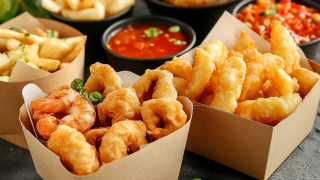
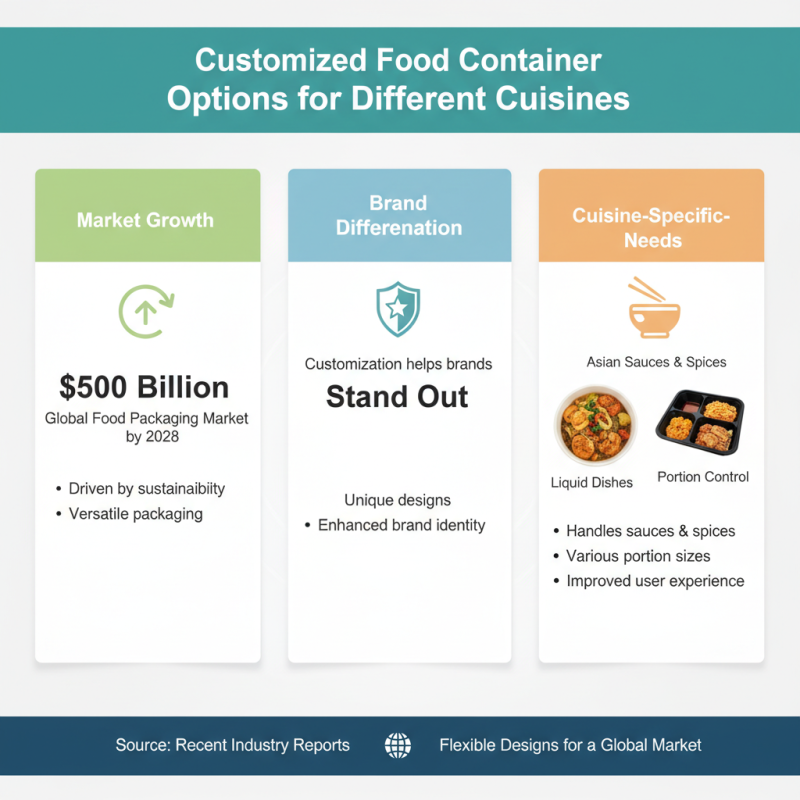
Customized food containers are gaining traction in a diverse global market. Recent industry reports indicate that the global food packaging market is expected to reach $500 billion by 2028, driven by the rising demand for sustainable and versatile packaging solutions. Customization helps brands stand out. For example, Asian cuisines often require specialized containers that can handle sauces, spices, and portion sizes unique to their traditions. Flexible designs can improve user experience.

Innovative materials like biodegradable plastics are often preferred. They cater to environmentally conscious consumers without compromising functionality. The demand for meal prep containers is also on the rise. Research suggests about 60% of consumers prefer single-portion packaging. This trend highlights an opportunity for businesses to offer customized containers tailored to various cuisines. However, challenges remain, such as sourcing sustainable materials that meet regulatory standards. The pressure to innovate and adapt also raises questions about scalability and cost-effectiveness.

In this competitive landscape, securing a niche is vital. Engaging with global buyers involves understanding regional preferences and cultural nuances. Many businesses struggle to find the right balance between customization and production efficiency. Therefore, ongoing research and development are essential. Exploring unique designs and materials will help stay ahead in this dynamic market.

Portable Food Containers for On-the-Go Consumers

Top 10 Food Container Business Ideas for Global Buyers?

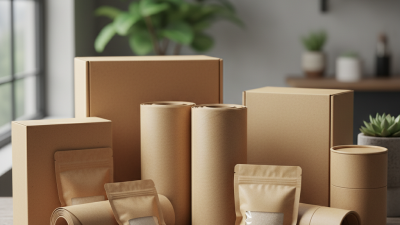
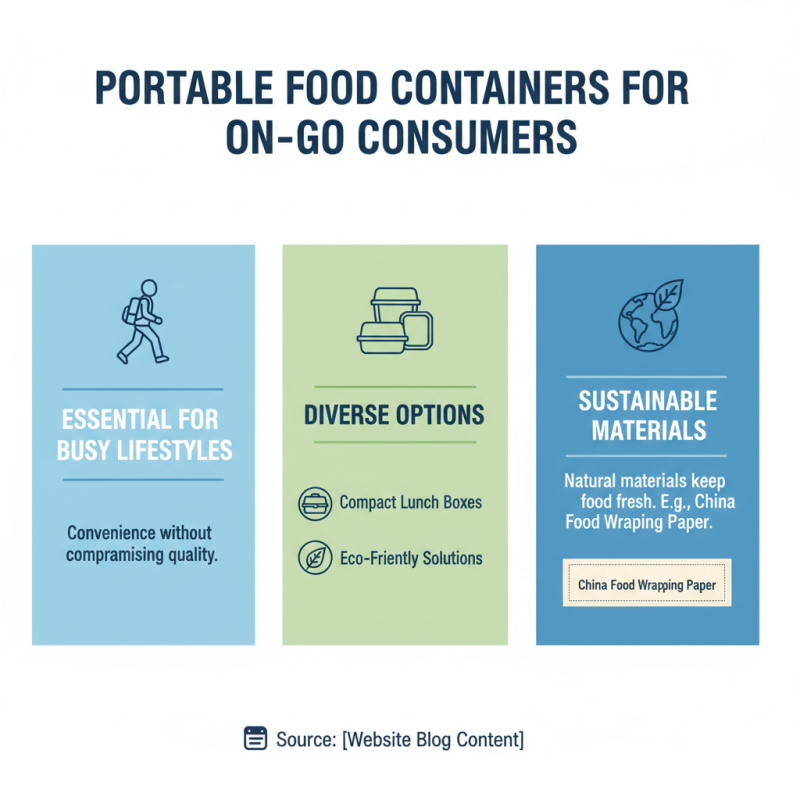
Portable food containers are becoming essential for today’s busy lifestyle. These containers are designed for on-the-go consumers who need convenience without compromising food quality. Many options are available, from compact lunch boxes to eco-friendly solutions made from natural materials like China Food Wrapping Paper and Wrapping Paper. These materials offer a sustainable way to package meals while keeping them fresh.

When considering portable food containers, focus on durability and insulation. Look for materials that resist wear and tear. It’s also crucial to consider the size. Too large, and it becomes cumbersome; too small, and it may not hold enough food. Think about your typical meals to choose appropriately.

Tips: Opt for containers with secure lids to prevent leaks. Also, choose lightweight designs for easy transport. Regularly check your containers for any wear and consider replacing them when necessary. Prioritize safety by ensuring all materials are BPA-free and safe for food contact. Finding the right balance in your container selection can lead to a more enjoyable and hassle-free eating experience.

Health and Safety Standards in Food Container Production

Ensuring health and safety standards in food container production is crucial for global buyers. The World Health Organization (WHO) emphasizes that containers must prevent contamination and protect food quality. In 2021, contamination accounted for approximately 600 million foodborne illnesses globally. This staggering figure highlights the importance of adhering to strict regulations.

Manufacturers must implement Good Manufacturing Practices (GMP) during production. This includes using food-grade materials and maintaining cleanliness in facilities. Studies indicate that nearly 30% of foodborne illnesses stem from improper food handling and packaging. Thus, maintaining quality throughout the supply chain is vital.

Quality control measures must be prioritized. Regular audits and compliance checks ensure adherence to safety standards. Many manufacturers still struggle with inconsistent quality checks, leading to potential hazards. In the future, investing in advanced testing technologies may help mitigate these risks and ensure safer food containers for consumers.

Top 10 Food Container Business Ideas for Global Buyers

Business Idea Material Used Target Market Health & Safety Standards Sustainability Practices
Biodegradable Containers PLA (Polylactic Acid) Eco-conscious consumers FDA approved Compostable materials
Glass Food Storage Tempered Glass Health-conscious individuals BPA-free certification Recyclable glass
Silicone Food Containers Food-grade silicone Families and meal preppers FDA approved Reusable and durable
Stainless Steel Lunch Boxes Stainless Steel Working professionals Non-toxic material Long-lasting and recyclable
Vacuum Insulated Containers 18/8 Steel Outdoor enthusiasts FDA and LFGB compliant Energy-efficient manufacturing
Reusable Snack Bags Silicone or fabric Parents and kids Food-safe materials Zero waste packaging
Food-grade Plastic Containers Polypropylene Caterers and restaurants FDA certified Proper disposal plans
Compartment Meal Prep Containers Bamboo fiber Fitness enthusiasts Non-toxic and safe Biodegradable options
Food Container Subscription Services Mixed materials Busy families Compliance with safety regulations Focus on recycling
Customized Food Containers Variety of materials Businesses and events Standard certifications Sourcing from sustainable suppliers

Emerging Markets for Food Container Business Opportunities

Emerging markets present significant opportunities for food container businesses. As global consumers become more conscious of sustainability, innovative packaging solutions are in high demand. Countries like India and Brazil are witnessing an increasing need for eco-friendly containers. These markets value products that are both functional and align with environmental standards. For example, biodegradable or recyclable materials can appeal to green-minded consumers.

In China, the focus on quality is paramount. The demand for food-grade materials, like China paper cup Material and Food Grade Paper Cup Paper, is rising. Businesses looking to establish themselves in this region must adhere to strict safety regulations. It’s crucial to ensure that products meet both local and international quality standards. However, navigating regulatory landscapes can be challenging, highlighting the need for informed local partnerships.

Exploring these emerging markets requires thorough research. Companies must learn about regional preferences and consumption patterns. While opportunities abound, there’s a risk of oversaturation. Too many players can lead to stiff competition. A well-defined strategy is essential for success. Understanding local tastes can provide a competitive edge in this dynamic landscape.

Top 10 Food Container Business Ideas for Global Buyers

FAQS

: What are customized food containers?

: Customized food containers are specially designed packaging solutions tailored to fit various cuisines and consumer needs.

Why is customization important in food containers?

Customization helps brands differentiate themselves and enhance user experience through unique designs.

What materials are preferred for food containers?

Biodegradable plastics are popular, appealing to environmentally conscious consumers without compromising functionality.

Is there a growing demand for meal prep containers?

Yes, about 60% of consumers prefer single-portion meal prep containers, showcasing a clear trend.

What challenges do businesses face in the food container market?

Sourcing sustainable materials and meeting regulatory standards can be quite difficult, requiring strategic planning.

How can businesses succeed in emerging markets?

Companies need to research regional consumption patterns and preferences to create relevant products.

What risks are associated with entering emerging markets?

There’s a possibility of market oversaturation, leading to intense competition among providers.

How important are local regulations for food containers?

Adhering to local safety and quality standards is vital, especially in markets with strict regulations.

Are biodegradable containers always viable?

While they cater to green consumers, sourcing them effectively can be a challenge for businesses.

What role does ongoing research play in this industry?

Research is crucial for innovation and staying competitive, as trends and consumer needs continuously evolve.

Conclusion

The “Food Container Business” is evolving rapidly, driven by the demand for sustainable and innovative solutions. Key trends include the use of eco-friendly materials that cater to environmentally conscious consumers, as well as smart tech-integrated designs that enhance functionality and convenience. Customized options are becoming increasingly popular, allowing food containers to cater to diverse cuisines and cultural preferences.

Additionally, the rise of portable food containers addresses the needs of on-the-go consumers, making it easier to maintain a healthy lifestyle. Compliance with health and safety standards is paramount in ensuring that food containers meet regulatory requirements. With emerging markets presenting new opportunities, the food container industry is set for continued growth, fueled by creativity and a commitment to sustainable practices.

Isla

Isla

Isla is a dedicated marketing professional at Nanning Paiji Paper Co., Ltd., where she leverages her extensive knowledge of the industry to enhance the company’s online presence. With a keen understanding of the Paper Products sector, Isla plays a pivotal role in crafting compelling blog posts that……
Previous How to Choose Pe Coated Paper Jumbo Rolls for Your Business?

Send Your Inquiry

✓ Thank you! We will reply you via email within 24 hours.