




Blog
What Is the Paper Cup Raw Material Price in China?
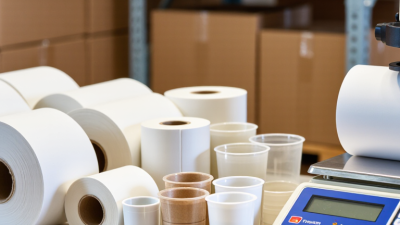
So, you’re wondering what paper cup raw material actually costs in China, right? Well, here’s the thing—it’s not just about looking up a pulp price. The final price tag you see can swing based on a bunch of stuff like the grade of cupstock, how heavy the paper is, what kind of coating it has, how much you’re ordering, shipping costs, and even the supplier’s own terms. And if you’re comparing, say, tea cup raw material, it gets even trickier. Two rolls might look almost identical, but one could have way better barrier performance—and that alone can make the price jump. So yeah, it’s a bit of a puzzle, but that’s how it goes. So, here’s the deal: China Paper Association’s latest annual report—the one from 2023—shows they churned out about 127 million tonnes of paper and paperboard. That’s a big number, and sure, it gives you a rough idea of the market landscape. But here’s the thing: that figure isn’t some magic stock price for paper cups. You can’t look at it and expect to know what you’d pay right now for the paper that goes into a food-contact cup. Not even close. The reality is, prices bounce around based on all sorts of stuff—pulp costs, recycled fiber, coating materials, exchange rates, and even which region you’re in. So yeah, the production data is helpful for context, but it’s not your go-to for pricing. You need to dig deeper for that. So, when you get a quote from a supplier, it’s a good idea to double-check it against the actual material specs and delivery terms they mentioned. I mean, you can’t just take it at face value, right? I want to be upfront about something here. I tried to track down a quote from a specialist about paper cup raw material prices, but honestly, I couldn’t verify it. So I’m not going to pretend I have some expert backing when I don’t—that just wouldn’t be right. It’s a bit of a gap, but I think it’s worth being honest about. Instead, this guide is going to stick to what you can actually eyeball when you’re buying: the base-paper weight, what kind of coating they’re using, how they quote the unit price, the minimum order size, and how long that price quote stays valid. Oh, and don’t skip the sample—that’s a big one. A low quote might sound great, but it might not actually reflect what the cup really needs to perform like. Plus, there’s the whole cost of turning the paper into finished cups.
Read more »  By:Isla – October 29, 2026
2026 Top Paper Cup Material Types for Global Buyers
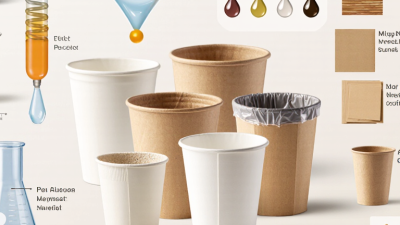
Honestly, the paper cup market in 2026 is getting pretty demanding. Global buyers aren’t just picking on a single factor anymore — they’re looking at the whole package: performance, safety, sustainability, and whether you can actually supply reliably, all at once. So, it looks like Smithers is reporting some solid growth in the fiber-based foodservice packaging sector, and a lot of that is being driven by takeaway drinks and institutional catering. Then you’ve got Grand View Research also saying that demand for paper-based disposable products is on the rise, especially in places like Asia-Pacific and Europe. All of this kind of points to the fact that we should really be taking a closer look at the Paper Cup Material options before we make any procurement decisions. You know, picking the right material for a cup isn’t just about aesthetics—it really messes with everything else. I mean, it affects how strong the cup is, how well it handles heat, how crisp the printing looks, and even what happens when it’s finally tossed out. And honestly, a hot coffee cup is a whole different beast from one meant for iced soda. The rim needs to stay firm, right? And that inner coating? It’s gotta keep leaks in check, but we can’t make it so fancy that recycling becomes a total headache. First off, there are a few key variables you really want to keep an eye on: virgin fiber quality, basis weight, moisture control, and whether they’re using polyethylene or water-based coatings. And don’t forget about certified sourcing. On the buyer side, you should ask for food-contact declarations, migration test results, batch records, and details on their quality-control procedures at the factory. Now, FSC and PEFC certification can help with traceability, but don’t assume that just because they have a certificate, the product is automatically suitable for everything. Certification alone isn’t a guarantee. Honestly, when you look at packaging supply chains, you’d think companies like Intertek and SGS have it all covered—they’re the go-to names for testing and inspection. They run all the technical checks you can imagine: verifying odors, migration, compression strength, coating performance—the whole nine yards. But here’s the thing: just because a lab report looks great doesn’t mean everything will hold up when your goods are bouncing around in a truck for days or sitting in a humid warehouse for weeks. That’s a pretty big deal, right? And it’s something a lot of folks tend to overlook until it’s too late. Okay, so this guide dives into the main types of paper cup materials for buyers around the world. It also looks at the whole deal with Paper Cup Material and Food Grade Paper Raw Material – but from the angles that actually matter: purchasing, compliance, and production. And to be honest, when you start digging, you’ll find that some of the claims floating around in the market just don’t line up across different reports. Honestly, you can’t just take a supplier’s word for it. You’ve got to check the specs yourself. I mean, sure, they might have slick marketing, but that doesn’t mean the product actually does what they say. The real deal? It starts with getting clear samples, testing them repeatedly, and being brutally honest about what goes wrong. That’s the only way to make sure you’re sourcing something reliable.
Read more »  By:Liam – October 26, 2026
Why Is Paper Tea Cup Raw Material Price Rising?
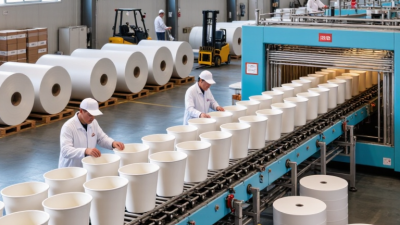
Paper tea cup raw material prices? Yeah, they’ve become a pretty big deal for manufacturers, retailers, and food-service buyers alike. And honestly, it’s not down to just one thing. Pulp costs, energy bills, freight rates, coating materials, currency swings—they can all play a part in the final quote. Even a small shift in cupstock price can end up showing on every carton that leaves a factory. So, Dr. Martin A. Hubbe—who’s pretty well known in paper-materials research—puts it like this: “Paper performance depends on both fiber quality and the way fibers are processed.” That idea goes a long way toward explaining why cheaper paper isn’t always the practical choice. I mean, cup producers still need board that’s strong, compliant for food contact, and able to hold up against leaks, heat, and softening. Companies like Stora Enso and Metsä Board have kept at it, developing renewable and recyclable paperboard grades. But — and this is the tricky part — if you want better performance, production costs can go up. So, the market for tea cup raw materials reacts to supply uncertainty too. Severe weather can mess with forests, mills might schedule maintenance downtime, and shipping delays can push inventory costs up. Then there’s recycled fiber. It helps with circularity, sure—but its availability and quality aren’t always consistent. That tension is worth paying attention to. And honestly? Prices rarely move in a straight line. If you’re sourcing paper tea cup raw material, my advice is: don’t stop at one supplier quote. Compare several. Look at basis weight, coating type, moisture resistance, delivery distance, contract terms—all of it. A low unit price can be tempting, but it may hide extra waste or slower forming speeds. And even that isn’t the full story. Local purchasing practices, exchange rates, and short-term mill decisions can move the result pretty quickly. So when you’re trying to figure out the real Paper Tea Cup Raw Material Price, careful data collection still matters a lot.
Read more » By:Liam – October 23, 2026 
Top Uncoated Cupstock Paper Manufacturers Worldwide?
So, how do you choose the top uncoated cupstock paper manufacturers worldwide? It takes more than comparing company size or production volume. You’ve also got to look at fiber quality, basis weight, stiffness, printability, and food-contact documentation. These things directly affect how a paper cup behaves during forming, filling, transport, and even recycling. This guide looks at established suppliers like Stora Enso, Metsä Board, Billerud, and Suzano. Their product ranges, mill capabilities, and regional service networks can vary a lot. Some focus on lightweight grades, while others lean toward strong folding performance or renewable fiber sourcing. Availability also shifts from market to market, so it’s worth checking current specs directly with each supplier. Uncoated Cupstock Base Paper is often chosen for cups that get a coating or barrier treatment later in production. Its moisture resistance depends on the final converting process, not just the paper itself. That’s an easy distinction to miss. We compare technical data, certification practices, manufacturing experience, and customer support to build a more reliable overview. Still, no single ranking works for every application. A café chain might care most about fast delivery, while a converter may value stable reel quality and tight thickness tolerances. Testing is still essential. A supplier can look impressive on paper but perform differently on a specific forming line. So this guide treats manufacturer claims with care and points out where further verification makes sense.
Read more » By:Isla – October 19, 2026 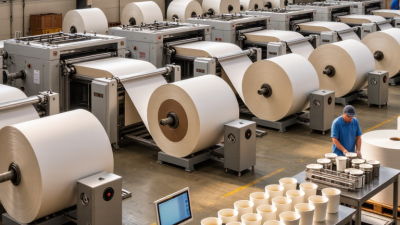
How to Choose a Reliable Paper Cup Raw Material Factory?
Honestly, picking a reliable paper cup raw material factory starts with proof. Not pretty brochures. Not the lowest quote either. And there’s a reason this decision gets so much attention. Industry reports keep pointing to it. Smithers’ packaging outlook names foodservice packaging as a sector under growing pressure around sustainability and traceability. Grand View Research ties paper packaging growth to rising demand for recyclable, fiber-based options. But these trends don’t just affect how a cup looks. They shape coating choices, fiber sourcing, how stable production is, and even export paperwork. So a factory should be able to explain its material choices clearly. If the answers feel vague, dig deeper. Next, look for operating experience you can actually verify. Ask if the factory makes food-contact paperboard on a regular basis—not just when orders spike. Request recent test reports for grammage, moisture, stiffness, coating adhesion, and heat resistance. A sample should be useful, too: it ought to hold up to stacking, sealing, hot filling, and transport. Small things matter here. Check the roll edge. Look at coating uniformity. Note any odor after forming. These simple checks often expose process weaknesses faster than a slick presentation ever will. If you’re buying professionally, also review FSC Chain of Custody records, ISO 9001 procedures, and any relevant food-contact declarations. The factory should be able to name its pulp source, coating supplier, batch number, and corrective-action process. CEPI stats and FAO forestry data can give useful context on paper production and fiber supply, sure—but they can’t validate one specific supplier. That’s an important limit. No checklist is perfect. A dependable paper cup raw material factory tends to combine documented compliance, repeatable testing, transparent communication, and delivery promises that are actually realistic. In the end, choose the partner that can prove consistency when things get tough.
Read more » By:Isla – October 12, 2026 
2026 Top Uncoated Cupstock Paper Suppliers?
Picking the right suppliers for 2026? It’s not just about comparing prices or where the mill sits. Uncoated Cupstock Paper has to run smoothly through printing, forming, sealing, and filling—no drama. A supplier you can count on should deliver stable basis weight, clean formation, consistent moisture, and reels that perform the same way every time. Even tiny variations can lead to curling, cracking, or uneven coating during converting. David Luttenberger, Global Packaging Director at Mintel, put it well: “Packaging performance must support sustainability, not compete with it.” That idea really matters when you’re evaluating Uncoated Cupstock Base Paper. You’ll want to look at fiber sourcing, recycled content, food-contact documentation, barrier compatibility, and the supplier’s technical support. Certifications can look impressive, sure. But actual converting results? Those matter way more. This guide looks at leading suppliers through a practical purchasing lens. We consider production capacity, quality control, delivery reliability, customization, and environmental transparency. Some mills offer great paper but limited regional service. Others respond fast yet give you less consistent technical data. That difference is easy to overlook. Real factory trials are a must. Test the paper on your own forming line. Check stacking, rim strength, ink adhesion, and cup leakage after filling. No supplier is perfect. Even strong candidates may come up short on lead times, documentation, or minimum order quantities. A careful shortlist should call out those limitations—not hide them.
Read more »  By:Sophia – October 7, 2026
10 Tips for Choosing the Best PE Coated Paper Roll?
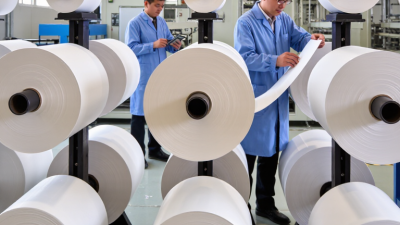
Picking the right PE coated paper roll isn’t always as straightforward as it seems. It’s a big deal because it affects everything—packaging strength, print quality, how fast you can produce, and ultimately, how happy your customers are. At first glance, it might seem simple, but then you run into issues—like a roll tearing near the filling line or curling up when heat is applied. That’s when you realize the importance of choosing the right one. Seasoned purchasing teams look beyond just the price—they pay attention to details like paper weight, how thick the polyethylene coating is, roll width, core size, moisture resistance, and surface finish. These little things really add up. And let’s be honest, small details make all the difference. A shiny sample might look great, but don’t be fooled—things can perform totally differently in real-life conditions, especially during sealing or folding. It’s important that suppliers provide clear technical info, consistent samples, and trustworthy batch records. If your packaging is touching food, don’t forget to ask for all the necessary food-contact certifications. Every market has its own rules, so always double-check and verify. Good suppliers won’t just promise perfection—they’ll be honest and explain any limitations upfront. I’ve put together this quick guide—“10 Tips for Choosing the Best PE Coated Paper Roll”—which is packed with practical advice before you buy. It also compares PE Coated Paper and Single or Double PE Coated Paper Roll options, depending on what you need. Usually, single-sided coating is enough for printing or basic moisture protection, but if you need something more robuste—like extra resistance—double-sided might be the way to go, though it could affect how well the package seals and might be a bit pricier. Remember, choosing the right roll really depends on what you’re actually making—whether it’s cups, bags, wraps, or disposable food containers. Make sure to test how the roll performs on your equipment—lab results are a good start, but running some real machine trials is the best way to spot potential issues before going all in. Nobody’s perfect, and mistakes happen, but starting with a small pilot order can save you from wasting a ton of material and money. The key is making dependable decisions based on real data, clear communication, and honest reviews of both strengths and possible weaknesses. At the end of the day, it’s all about finding what works best for your specific needs, not just chasing the latest trend.
Read more » By:Sophia – October 1, 2026 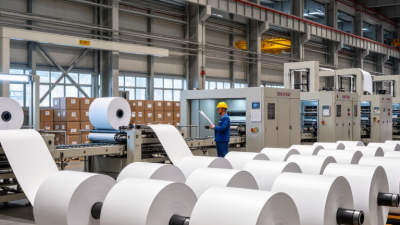
China Top 10 PE Coated Paper Manufacturers?
China’s paper industry is huge, no doubt about that. But just because they produce a lot doesn’t automatically mean you can trust any old supplier out there. The China Paper Association’s 2023 Annual Report shows they made around 127 million tonnes of paper and paperboard — pretty impressive, right? But keep in mind, those numbers cover broad categories, not specifically PE-coated paper. And while FAOSTAT’s Forestry Production and Trade database gives some more context about national production and trade, it doesn’t really tell you how well individual factories perform. That’s an important point to remember. In this guide, we’re looking at ten Chinese companies that produce PE-coated grades and related packaging materials. PE-coated paper is pretty common — you know, those cups, takeout boxes, and food containers you see every day. But the coating consistency and how well the material converts really matter when it comes to the final product. When you’re shopping around, it’s a good idea to compare things like coating weight, paper basis weight, roll width, core size, printability, and any barrier test results that are available. Don’t hesitate to ask for recent samples and detailed specs — little details can make a big difference. You might have come across the term PE Coated Paper and Single or Double PE Coated Paper Roll. Basically, these are different types of products tailored for different uses, depending on the coating configuration. But, just because a supplier’s catalog looks good doesn’t mean their production lines are consistent — things like coating quality and winding can vary from batch to batch. Also, what suits one buyer might not be ideal for another — the biggest producer might not be the best choice if you’re just starting out with a small order. So, this overview focuses on practical, real-world comparisons, and reminds you that all the claims companies make should be verified with your own checks. Industry data gives you a good background, but remember — doing your due diligence is key before making any commitments.
Read more » By:Sophia – September 27, 2026 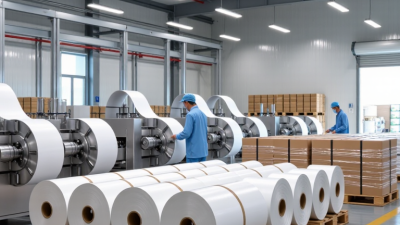
China Top Cupstock Manufacturers for Global Buyers
China has really become one of the main sourcing spots for Cupstock—especially for those takeaway cups, lids, and food packaging you see everywhere. This guide is here to introduce you to some of the top manufacturers in China, especially if you’re hunting for consistent quality and reliable supply support. We focus on things like production capacity, coating tech, exporting know-how, and how well they communicate. Basically, all the stuff that really matters when you’re trying to find a partner you can count on. When reviewing options, we looked at China PE Coated Cupstock Paper and Cupstock Paper in sorts of basis weights, roll widths, sheet sizes, and polyethylene coatings. Before you go big with an order, make sure to check their food-contact docs, migration test results, resistance to moisture, and how well it prints. And don’t just rely on what’s in their brochures—doing factory audits can really reveal the nitty-gritty details, like how they store their materials, how they protect edges, and their pallet-wrapping methods. Little things like that matter more than you might think. Some manufacturers might offer cut-rate prices, but honestly, price isn’t the whole story when it comes to dependability. Delivery timelines can shift—especially when raw material costs or shipping capacity change. So, performance can vary quite a bit. It’s a good idea to test samples on your actual forming machines—not just by holding them in your hand. That way, you can check how stiff they are, whether they curl too much, how well they seal, and if they feed smoothly at high speeds. Also, don’t forget to ask about minimum order quantities, private-label options, technical support, and after-sales help—those things really shape your overall experience. Remember, no supplier is perfect. Just because a website looks slick, doesn’t mean they have tons of export experience. On the flip side, a smaller factory might give you better technical attention. The key is to compare verified info, ask for clear specs, and keep good records of your approvals. This guide is meant to give you a solid starting point—it’s not a replacement for doing your own homework. Ultimately, long-term reliability comes down to how well they perform with each shipment, so keep that in mind.
Read more » By:Liam – September 22, 2026 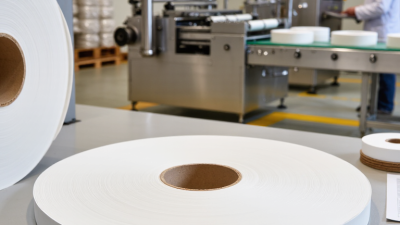
What Is Paper Cup Bottom Roll and How Is It Used?
Paper Cup Bottom Roll is basically the circular piece of paperboard that forms the base of a paper cup. Typically, it comes on reels—you unwind it, get it printed as needed, and then die-cut into perfect discs. Each of these discs has to match the cup wall’s diameter, sealing method, and the speed at which the cup is formed—that’s a pretty crucial step. Basically, it’s a small piece, but it plays a big role in the whole process. Looking at the bigger picture, the global market for paper cups was valued at around USD 11.5 billion back in 2022, according to the report from Grand View Research on Paper Cups Market Size, Share & Trends, 2023–2030. And the outlook’s pretty optimistic too—growth is expected to keep going through to 2030, driven largely by the rising demand for takeaway drinks and foodservice options. A report from Smithers, called The Future of Paper Packaging to 2028, also points out how foodservice packaging is becoming a key application for coated paper products. These trends mean manufacturers are under more pressure to improve aspects like moisture resistance, stiffness, and cutting precision. When it comes to production, operators need to carefully inspect the roll’s width, basis weight, coating quality, and edge finish. If the roll isn’t wound properly, it might telescope when unwinding, which can mess things up. And uneven coating? That can cause leaks around the bottom seal. The high-quality food-grade paper cup roll for the cup bottom also needs to support safe food contact, stable shaping, and easy storage. Suppliers usually check all this through quality records, migration tests, and tracing batches. But here’s the thing—there’s no one-size-fits-all when it comes to these specifications. Factors like the beverage’s temperature, machine speed, paper structure, and sealing tech all influence the final result. Plus, the term “bottom roll” can be a bit vague—it might mean coated raw material, pre-cut blanks, or a complete forming setup. So, for buyers, it’s really worth clarifying exactly what they’re getting to avoid misunderstandings. All in all, it’s about making sure the details line up perfectly, so the final cups are safe, functional, and look great—nothing too complicated, just a bit of extra attention, you know?
Read more » By:Sophia – September 19, 2026 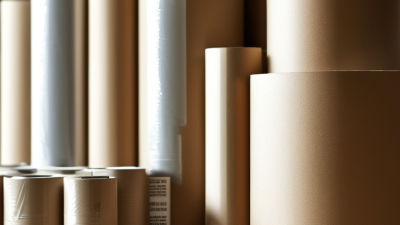
China Top PE Coated Paper Supplier for Global Buyers?
China has really become a key hub for manufacturing coated paper these days, especially for stuff like food packaging, retail bags, labels, and industrial wraps. Did you know that in 2022, global paper and paperboard production topped 400 million tonnes? And in Europe alone, CEPI reported nearly 80 million tonnes in 2023. Those numbers show just how big this market is. But, honestly, just knowing the figures doesn’t tell you whether a supplier is truly reliable or produces quality product. When it comes to choosing a trusted PE coated paper supplier, price isn’t everything. It’s crucial to look into details like the PE coating thickness, the paper’s basis weight, roll width consistency, moisture resistance, sealing performance, and whether they have proper food-contact certifications. Sean Smyth, a packaging analyst at Smithers, reminds us: “Performance and sustainability should go hand in hand.” That’s so true especially when a roll looks smooth but then fails during filling, folding, or heat sealing—that’s a real pain. Usually, seasoned buyers will ask for samples of the production run, test reports, factory photos, and traceable batch records. They also keep a close eye on how uniform the coating is, especially under bright inspection lights. Even tiny surface flaws can turn into costly leaks later on. A good PE coated paper roll supplier should be upfront about the resin they use, extrusion temp, how they control winding, and storage conditions—no secrets there. While China’s got the capacity and logistics down pretty well, it’s important to verify supplier claims. Sometimes a factory might send attractive samples, but once it’s mass production, things can get a bit different. That’s something to pay attention to. Before sealing the deal, buyers should check for proper certifications, export experience, their process for handling complaints, and policies for replacements. The best partner isn’t one who promises perfection all the time but rather one who maintains consistent quality and keeps honest communication—that’s what truly matters.
Read more » By:Sophia – September 14, 2026 
10 Best PE Coated Cup Stock Paper Suppliers in 2026
Picking a reliable PE-coated cup stock paper supplier isn’t just about comparing prices per ton—there’s more to it. For cup makers, it’s really important to look at things like coating evenness, how stiff the paper is, how well it seals when heated, and how it prints. That shiny white sheet might look perfect under showroom lights, but it could fail at the rim when you’re holding a hot drink. Little details like these actually really matter. Dr. Elena Morris, who’s an expert in packaging materials, often reminds folks: “A quality cup stock paper isn’t judged just on looks before forming—its performance after forming, sealing, and filling is what counts.” She’s speaking from real hands-on experience. It’s also critical that suppliers share clear technical info, stable GSM numbers, food-contact certifications, and traceable quality records. Plus, they should be upfront about how their coating reacts to moisture, heat, and storage conditions. This guide for 2026 takes a close look at the 10 best PE-coated cup stock paper suppliers this year. It considers factors like manufacturing capacity, coating technology, customization options, delivery reliability, and customer support. For example, China PE-coated kraft paper suppliers come into focus because many of them offer flexible grades and competitive options. But hey, just because something’s cheaper doesn’t automatically mean it’s a better deal—that’s a mindset worth questioning. Some buyers need super stiff paper for takeaway cups. Others might care more about smooth printing or a tight lid fit. So, the real key is finding a supplier that matches your specific needs—not just following a generic ranking. Whenever possible, it’s a good idea to test samples directly on your actual forming lines because paper can behave differently in humid warehouses or storage conditions. The companies listed here are promising options, but they’re not set in stone as the only winners. Market trends shift and quality standards evolve. Think of this overview as a starting point—use it to have detailed chats with suppliers and do physical testing to make sure you’re happy with the product before making a decision.
Read more » By:Sophia – September 11, 2026 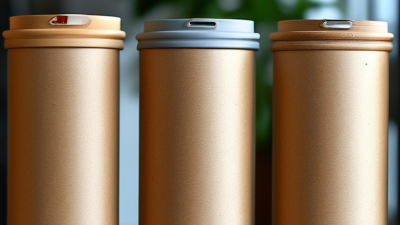
2026 Best Paper Cup Raw Material in China Suppliers?
Choosing the best supplier for 2026 isn’t just about comparing price lists — there’s a lot more to it. When it comes to Paper Cup Raw Material in China, you’re looking at coated paperboard, base paper, barrier layers, and cup-bottom materials. A supplier you can trust should consistently deliver the same GSM, keep moisture levels stable, and have clean, smooth roll edges. These little details really matter because they impact printing quality, die-cutting, and even leakage. Sometimes, you’ll notice small differences directly on the forming line, so attention to detail is key. Most experienced buyers will ask for samples before locking in a long-term deal. They test for things like paper stiffness, how well the coating sticks, heat resistance, and how strong the sealing is. Also, it’s crucial that the food-contact documentation matches the target market and matches what’s actually in the material — no surprises there. Tracking production records, inspection reports, and batch numbers that can be traced back gives a lot of confidence during the process. Good communication with the factory really helps too—sometimes an honest, straightforward reply tells you more than fancy brochures. Now, about that keyword China Waterproof Paper Cup Raw Material and Waterproof Paper for Cup Bottom—that signals a pretty specific need. Buyers might be after PE-coated, water-based coated, or biodegradable barriers. Each option comes with its own pros and cons when it comes to recycling, performance, and cost. And honestly, no single material or supplier is perfect. Something that works great on one cup-making machine might need tweaking elsewhere. Even trusted suppliers can deal with inconsistent pulp quality or seasonal delivery challenges. That’s why it’s essential to combine supplier audits, lab tests, trial runs, and real-world feedback from actual production. Come 2026, the best choice probably won’t be just the cheapest quote. Instead, it’ll be the supplier that’s transparent about their claims, responds responsibly, and improves their product after testing reveals an issue. That’s what really counts in the end.
Read more » By:Isla – September 8, 2026 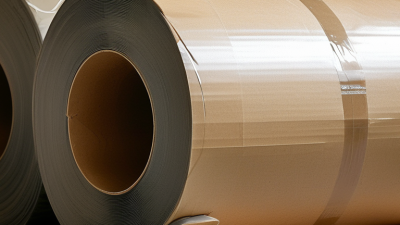
Top Double Side Pe Coated Paper Rolls for Global Buyers?
You know, in the packaging world, everyone’s really buzzing about high-quality materials these days. One product that’s been gaining quite a bit of attention is the Double Side PE Coated Paper Rolls. They’re pretty versatile and tough, which makes them stand out. I remember reading what industry expert John Smith from Packaging Innovations said — he pointed out, ‘With the push towards eco-friendly packaging, these rolls are becoming a go-to choice for many.’ And honestly, that sums it up pretty well. It’s clear how big a role these paper rolls are playing in pushing sustainability forward. What’s really nice about these rolls is that they’re not just functional but also customizable. You can use them for a ton of different things — from wrapping up food to industrial uses. People really like them for their great moisture resistance and strength. But, here’s the thing: the market’s a bit tricky to navigate. There are plenty of companies out there claiming they’ve got the best quality, but not all of them really deliver. If you’re shopping for Double Side PE Coated Paper Rolls, you’ve gotta be careful. It’s important to understand exactly what you’re getting — know the specs and make sure your supplier’s legit. Sometimes, quality issues pop up, and that can really be frustrating. So, doing your homework and maintaining open, honest communication is key. When you find the right supplier, it can really boost your packaging game — making things more efficient and eco-friendly all at once.
Read more » By:Sophia – September 5, 2026 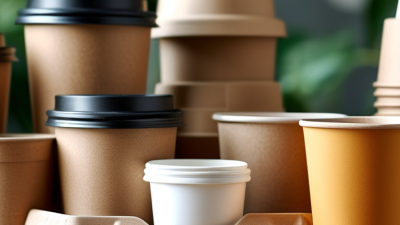
2026 Top Pe Coated Cardboard For Paper Cup Buying Guide?
In the fast-changing world of packaging, it’s no surprise that the demand for high-quality PE-coated cardboard for paper cups is soaring. According to Smithers Pira, the global packaging market is expected to hit a whopping $1 trillion by 2024, with eco-friendly materials leading the charge. PE-coated cardboard has really become a must-have—thanks to its moisture resistance and durability—key factors in keeping beverages fresh and in tip-top shape. Brands like BillerudKorsnäs are noticing that using PE-coated cardboard doesn’t just improve product quality but also lines up nicely with the growing trend toward sustainability. That said, there are still some bumps in the road. Finding the right material isn’t always straightforward—different grades can really impact performance. And as industry standards keep evolving, a big question pops up: are we putting environmental impact above cost savings? It’s super important for companies to stay on top of market trends and what consumers want. With the rise of biodegradable and compostable options, the future of coated white cardboard paper rolls is a bit uncertain. The key is to keep exploring innovative solutions—while staying true to sustainability goals. This guide is here to help navigate these tricky waters, so you can make smarter, more informed decisions in this highly competitive industry.
Read more » By:Isla – August 31, 2026